
The Anatomy of a Branded Documentary (How the Process Actually Works, and What It Costs)
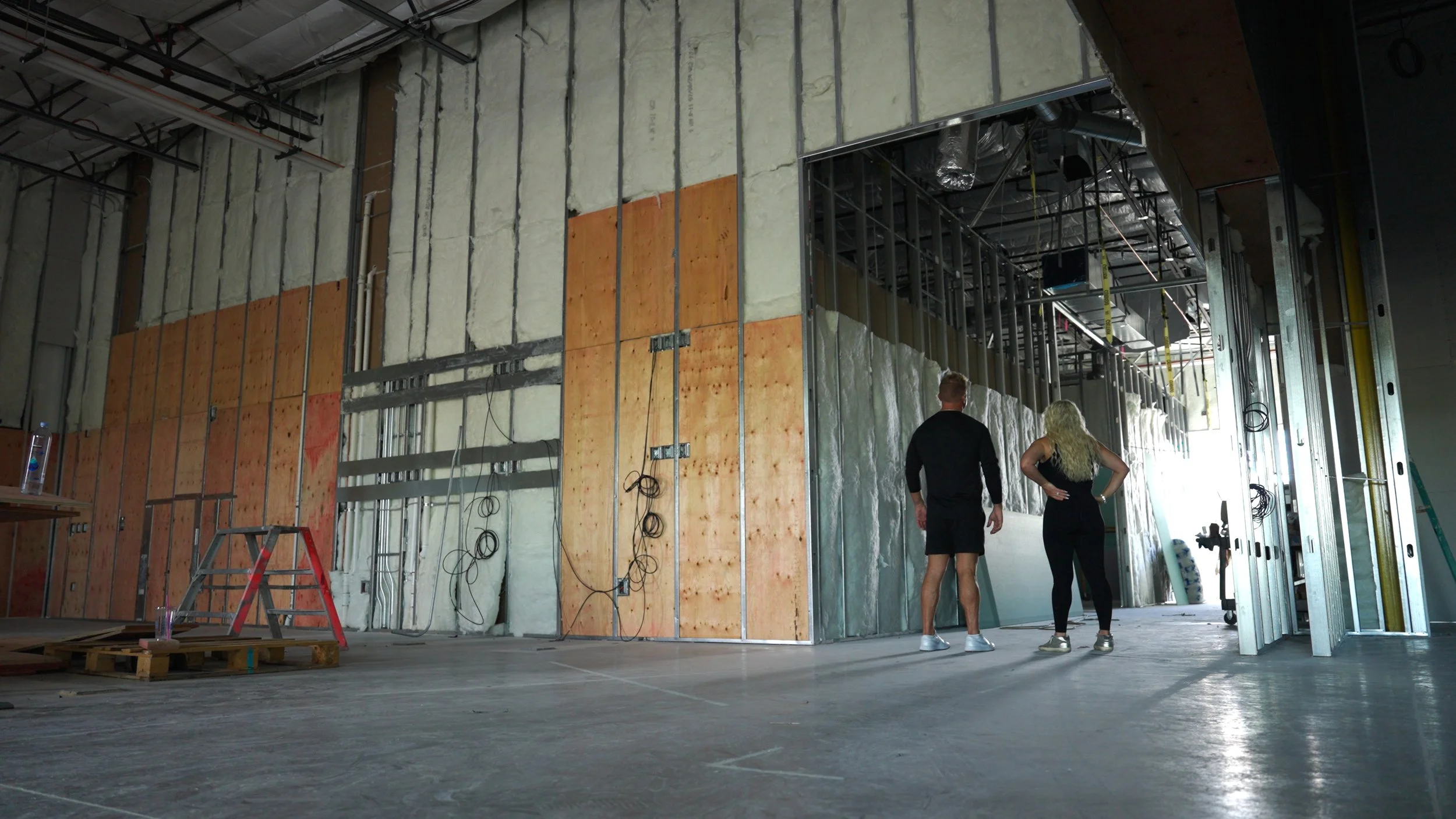
The first time we walked into the Hive Fit Club, it was twenty-seven thousand square feet of concrete and exposed rebar. No walls. No floor finishes. No equipment. The founder Doug standing in the middle of the space with a tape measure, describing where the cold plunge would go.
We started rolling interviews and basic coverage that day.
Two years later, when the doors opened, we had a film about what it actually takes to build a business from a concrete shell into something a city walks into every morning. The viewer sees a finished documentary. What they do not see is the anatomy underneath it, the eighteen months of research, the seventy days on set, the four hundred hours of footage that became sixteen minutes of film
This is that anatomy. The branded documentary process, broken down honestly, with the pricing attached so first-time buyers can read this once and stop guessing.
Why "process" is the most underexplained part of this work
Most brands trying to commission their first documentary run into the same wall. They know what a finished documentary feels like. They have no idea what the work looks like before it gets there. Production companies do not help. We talk about story and craft, but rarely walk a client through the actual phases, the actual decisions, the actual costs.
That gap is where bad projects happen. A brand hires a commercial team and gets a polished thirty-second spot when they wanted a fifteen-minute film. They hire a documentary team for a six-week turnaround and get something rushed because the process needs longer. They sign a contract without understanding which phase eats which percentage of the budget.
Documentary production is not mysterious. It is a sequence of five distinct phases. Each phase has its own craft, its own time signature, and its own line item.
Phase 1: Pre-production (research, not planning)
Pre-production on a branded documentary does not look like pre-production on a commercial. There is no shot list to lock. There is no script to approve. There is research.
We spend the first weeks of any project reading, interviewing, walking the space, watching old footage, talking to people who are not on the call sheet. At Hive, that meant sitting with the founder for hours before any camera came out. Understanding why he was building the gym. What had failed in his previous attempts at running a business. Which of the trainers he had hired had a story we should track. Which of the early members would still be there in two years.
By the time we set up the first interview, we already knew which moments would matter and which ones we were going to wait for. That is the difference between research and planning. Planning tells you what to do. Research tells you what to look for.
What this phase costs. Pre-production on a branded documentary typically runs ten to twenty percent of the total budget. On a fifty-thousand-dollar project that is five to ten thousand dollars of research time. On a two-hundred-fifty-thousand-dollar project it is twenty-five to fifty thousand. Brands who try to skip this phase always pay for it later in re-shoots and edit-room confusion.
Phase 2: Production (the shoot, and what "real access" actually means)
This is the phase clients picture when they think about documentary work. The camera, the crew, the lights, the set. It is also the phase that varies most by project. A short-form branded documentary might shoot in two days. The Hive Fit Club film shot across two years, in bursts, around the construction schedule and the gym's opening calendar.
What stays constant is the philosophy. A documentary crew is built around the assumption that everything important will happen exactly once. The first time the floor is poured. The first member to sign up. The first class. The moment the founder realizes he cannot pay rent next month. The moment three weeks later when he can.
We do not stage those moments. We position ourselves so that when they happen, the camera is there and the audio is rolling. That is what "real access" actually means. It is not a tour of the office. It is the trust to be in the room when the room is hard.
What this phase costs. Production typically runs forty to fifty percent of the total budget. The drivers are shoot days, location count, crew size, and gear scope. A two-person documentary crew with a Sony FX6, prime lenses, and lavalier audio looks one way. A four-person crew with a second camera, gimbal, drone, and full lighting kit looks another. Branded documentaries in the twenty-five-thousand to fifty-thousand range usually run two to four shoot days. Films in the one-hundred-thousand-plus range often run twelve to thirty shoot days, sometimes spread across a year.
Phase 3: Post-production (finding the story in the footage)
The edit is where most documentaries are actually made. We finish a shoot with several hundred hours of footage. The first job of the editor is not to assemble it. It is to read it.
The editor watches every clip. Logs every usable moment. Builds a string-out of the strongest material. Then sits with the director and asks the question that decides the whole project: what is the story here, now that we have the footage. Because the story you go in expecting and the story the footage gives you are almost never the same.
At Hive, we thought we were making a film about a gym buildout. The footage told us we were making a film about a founder who had failed before and was building differently this time. Same shoot. Different film. The edit found it.
After the structural edit comes the technical pass. Color grade. Sound design. Music. Mix. Each is its own craft. A documentary edit usually takes six to twelve weeks for short-form, three to six months for long-form. There is no skipping this phase. There is no AI shortcut that gets you to the same place. The work is the work.
What this phase costs. Post-production typically runs twenty-five to thirty-five percent of the budget. Films with original score, professional color grade, and full mix sit at the top of that range. Films with library music and a self-grade sit at the bottom. Either is fine. The honest version of post-pricing is that you get what you pay for, and the audience can feel the difference within the first ten seconds of viewing.
Phase 4: Sound, score, and color (the part no one talks about)
This deserves its own section because it is where the largest gap exists between an amateur documentary and a professional one. The picture cut is often comparable. The audio, the music, the grade — that is where a film either earns its budget or quietly does not.
Sound design on a documentary is not just dialogue cleanup. It is the room tone of every location, the foley of every footstep, the layered ambience that makes a scene feel like a place. A good documentary mix moves the viewer into the world before the dialogue starts.
Score is where most brands underspend. Licensed library music is cheap and forgettable. Original score is expensive and unmistakable. We do not always need original score on every project. We need it on the projects where the music has to carry an emotional load that licensed music cannot.
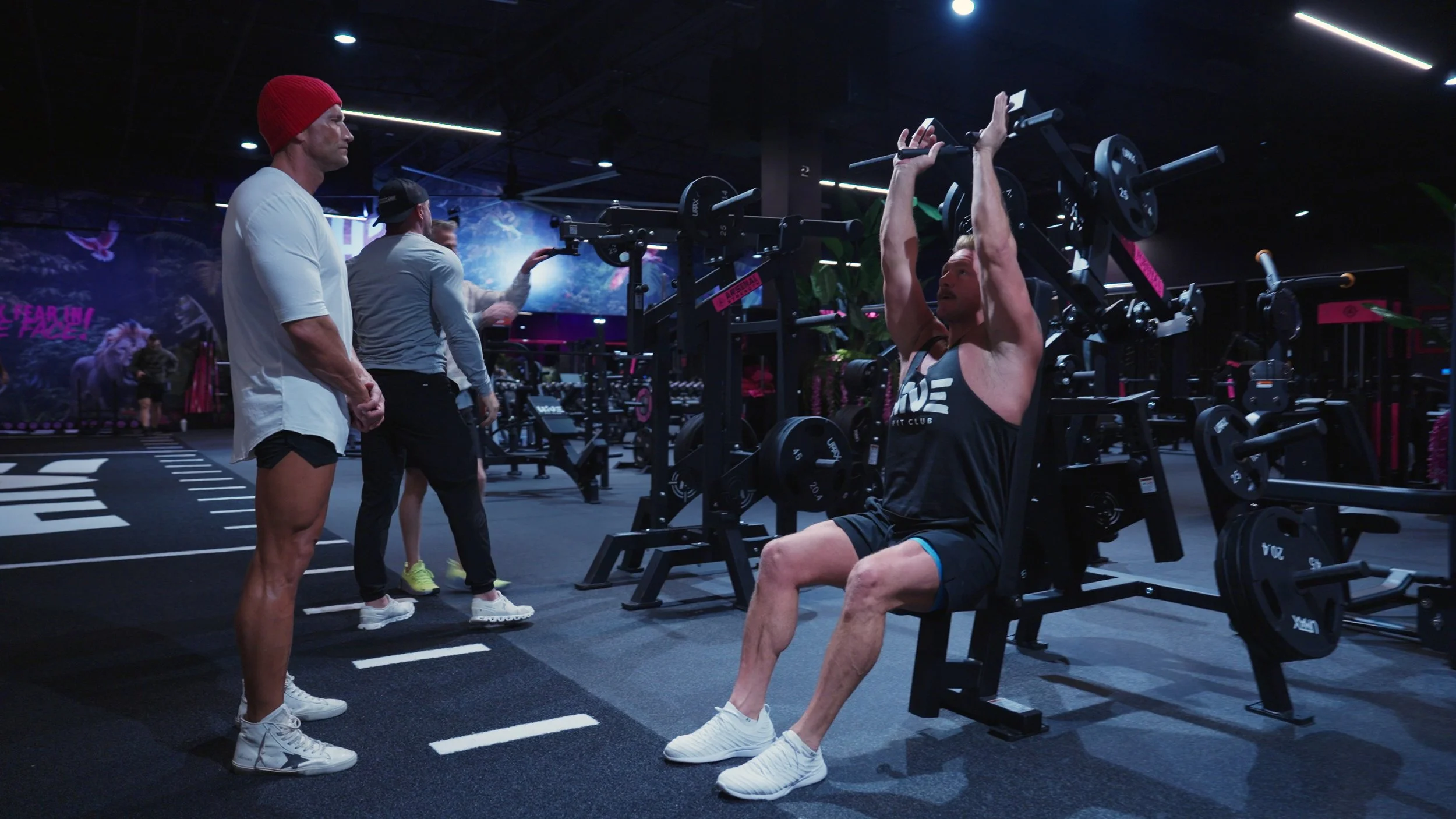
Color grade is the final pass. It is the tool that takes footage shot across two years, in different lights, with different cameras, and unifies it into one film. The Hive Fit Club footage shot in the bare-bulb glow of an unfinished space looks nothing like the footage shot in the LED-lit opened gym. A good grade makes that progression intentional rather than accidental.
What this phase costs. Sound, score, and color usually sit inside the post-production budget. Original score adds three to fifteen thousand dollars depending on the composer and the length. A professional color grade adds two to eight thousand dollars depending on the colorist and the runtime. Cutting these line items is the fastest way to make an expensive film look cheap.
Phase 5: Delivery and distribution (how the film actually lands)
The last phase is the one most clients forget exists. You can make the best documentary in the world. If it never reaches the audience that needed to see it, the investment is wasted.
Delivery includes the cut down strategy. A sixteen-minute hero film for the website. A two-minute trailer for paid social. Six thirty-second cuts for organic platforms. A vertical edit for mobile-first audiences. Each cut is its own edit pass. Each requires its own deliverable spec.
Distribution is the longer conversation. Where does this live. How do you launch it. Is there a premiere event. Is there a press strategy. Are there partner channels that should host the film. We talk through all of this in the pre-production phase, because the answers shape what we shoot.
What this phase costs. Delivery and cut downs typically add five to ten percent of the budget. Distribution strategy is sometimes folded in, sometimes priced separately. Most production companies stop at delivery. We do not, because a film that never finds its audience is a film we made for ourselves, not the client.
What a branded documentary actually costs
Here are the honest numbers. They are not list prices. They are ranges that reflect what real branded documentary work has cost across the projects we have shot.
$25,000 - $50,000 - Short-form branded documentary. Three to five minute runtime. Two to four shoot days. Lean crew. Library music. Self-graded. Appropriate for a focused story with limited locations and one or two central characters. This is the floor below which documentary work compresses into something that should probably be a commercial instead.
$50k - $150k - Mid-tier branded documentary. Six to fifteen minute runtime. Four to twelve shoot days. Full crew with second camera and lighting. Original score on at least the hero piece. Professional color grade. Delivery package with cut downs. This is where most premium branded documentary work happens.
150k - 250k+ - Long-form or multi-shoot branded documentary. Fifteen to forty-five minute runtime, or feature-length. Multi-location, multi-month shoot windows. Full original score. Cinematic grade. Press and distribution support. This is the budget tier for films that have to carry a brand's reputation for years rather than a single campaign cycle.
Cost is driven by four things. Shoot days. Crew size. Post complexity. Distribution scope. Every other line item is downstream of those four.
The questions to ask before you hire anyone
If you are a first-time buyer trying to commission a branded documentary, run these three questions before you sign with any production company.
Can they walk you through the five phases without consulting a deck? A documentary team should be able to talk through research, production, post, sound and color, and delivery from memory. If they cannot, they are a video team selling documentary as a category.
Will they show you a real budget breakdown by phase? A professional production company will tell you what each phase costs and what trade-offs are available. A company that gives you one flat number and refuses to break it down is hiding something.
Do they understand what your story actually needs to do? Documentary is not the right tool for every brand or every moment. If the team you are talking to does not push back when documentary is the wrong call, they are selling, not advising. Either way you should hire someone else.
If the team clears all three, you are in business. The anatomy will take care of itself.
We made a film about a gym being built. It is, on the surface, a story about a 27,000-square-foot space and the founder who built it. Underneath, it is a film about how anything real gets built. The phases. The patience. The willingness to be in the room when the room is hard.
That is the anatomy of a branded documentary. It is also the anatomy of every business worth filming.
Ragtown Media is a documentary production company based in Scottsdale, Arizona. We have produced branded documentaries, live event broadcasts, and commercial spots on six continents for clients including Red Bull, Barrett-Jackson, BBC, the University of Arizona, Allegiant, Castrol, Hive Fit Club, and Make-A-Wish.