
How much does a branded documentary cost?
If you're weighing whether to invest in a branded documentary, the first question is almost always the same: how much does a branded documentary cost? In 2026, most branded documentaries land somewhere between $10,000 and $150,000, depending on scope. That range is wide for a reason, and the number you actually pay comes down to the story you're trying to tell and how far you want it to travel.
At Ragtown Media, a Phoenix, Arizona documentary and video production company, we build these films for brands across Arizona, out-of-state and global productions. Below is an honest, no-fluff breakdown of what drives the price, what you're really paying for, and how to budget smart in 2026.
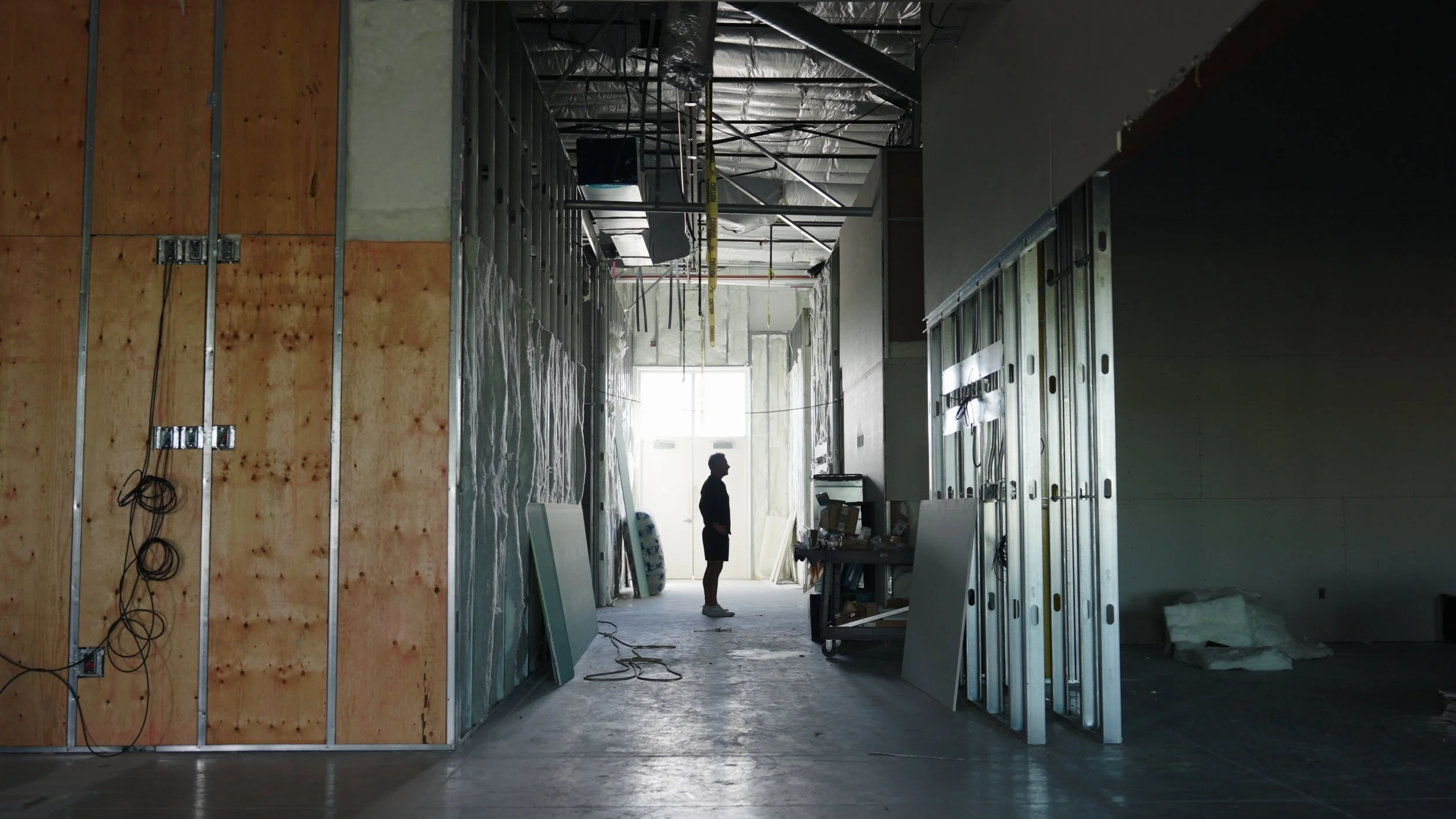
Build out of the Hive Fit Club Documentary - (Click image to learn more)
What is a branded documentary?
A branded documentary is a story-driven film made for a company, nonprofit, or organization that uses the craft of documentary storytelling (real people, real places) to build trust and emotional connection around a brand. Unlike a traditional commercial, it leads with a founder, an athlete, a customer, a craftsman, or a cause. The brand is present, but it usually sits in the background as the reason the story exists rather than the only thing being sold.
That's also why these films work. When they're done well, they don't feel like ads. They feel human. This is the heart of what we call docu-marketing.
The short answer: 2026 cost ranges
Branded documentary pricing in 2026 generally breaks into three tiers:
Small / lean, roughly $8,000 to $25,000. Development/Pre-Production, one to two shoot days, a single main subject, one or two interviews, minimal travel, and a finished film in the one-to-three-minute range. The filmmaker often directs, shoots, and edits as a nimble one-person or two-person team. This is a strong fit for a founder story, a customer profile with real emotional depth, or a short mission-driven nonprofit piece.
Mid-size / campaign, roughly $30,000 to $100,000+. Development/Pre-Production, two to four shoot days, travel, multiple locations and interviews, a small crew, fuller lighting and audio, plus a package of deliverables: a hero film alongside vertical cutdowns, social edits, and stills. This is where most brands get the best return, because a well-planned shoot generates a whole library of usable footage, not just one video.
Premium / feature-scale, $150,000 and up. Development/Pre-Production, multiple locations, deeper creative development, additional crew, archival licensing, advanced post-production, and a wider distribution rollout. These are full campaign centerpieces, sometimes approaching the budgets of broadcast documentary work.
Premium typically leans into a conversation to streaming platforms for major distribution for more eyes on the project.
For context, finished corporate video tends to run $1,000 to $10,000 per minute in 2026: basic single-camera work at the low end, cinema-level production with custom scoring and animation at the top. A branded documentary usually lives in the upper half of that range because the storytelling, not just the footage, is the product.
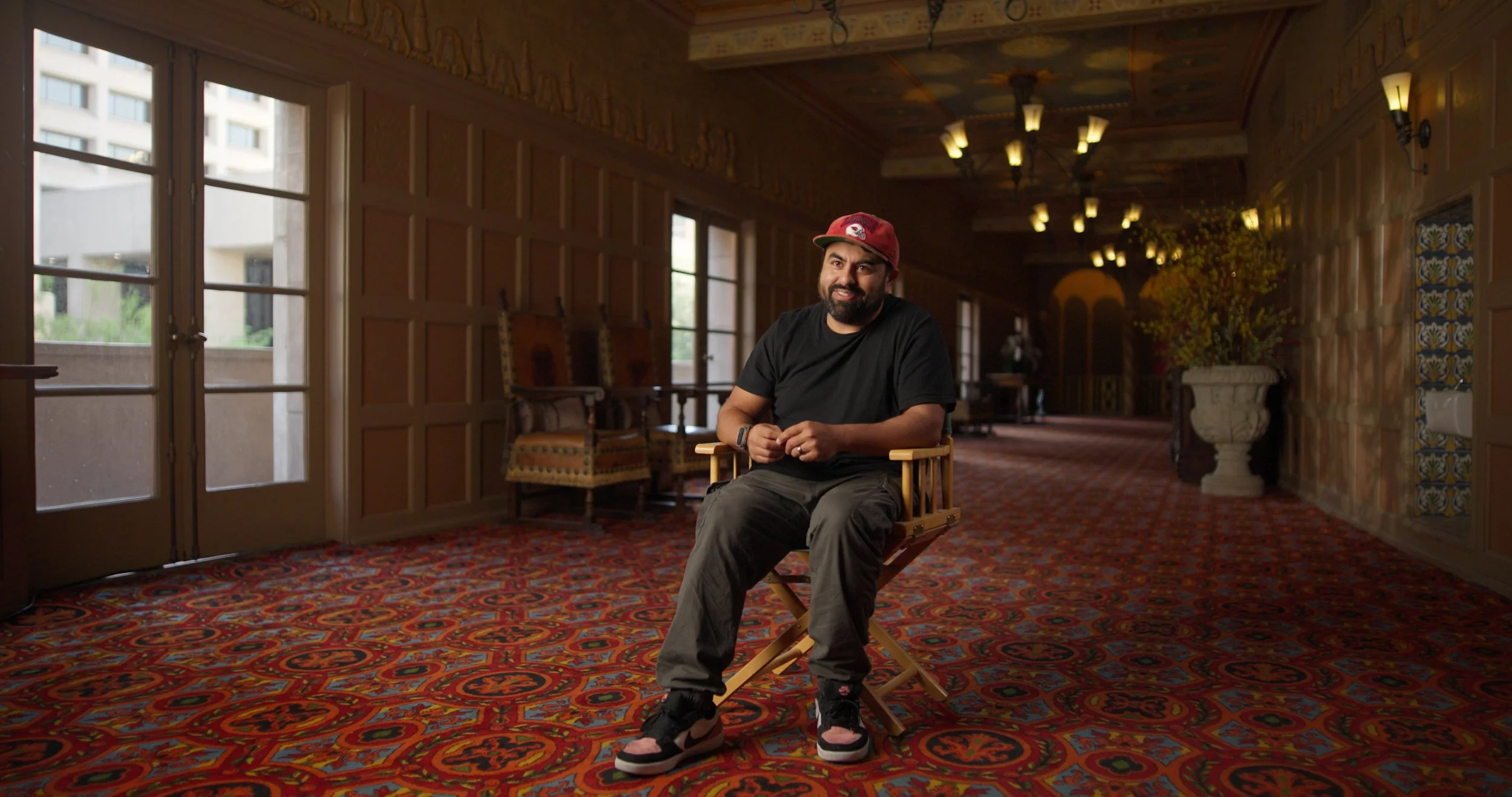
Interview with son of local rapper MC Magic for his documentary - (Click image to learn more)
Why branded documentary pricing varies so much
The phrase "branded documentary" covers an enormous range of projects. One brand wants a two-minute founder film shot in a single location with a clean, simple look. Another wants a polished five-minute hero film shot across several states with multiple subjects, drone coverage, archival material, custom sound design, and a series of social edits cut from the same footage. Those are completely different productions, and completely different budgets.
A branded documentary budget is shaped by five core variables:
Pre Production/Development. How much time is spent writing and developing the overall story. How many meetings are we having to get everything locked in for production.
Scope. How ambitious is the story, how many filming days does it need, and how many final deliverables are included? How many may be added later after you see all the content we are capturing?
Gear. How many cameras are you running? At the bare minimum 1 of our cameras cost $10,000 retail. Once you add extra camera gear, audio, lighting. That changes the cost per day.
Crew size. Is this a one-person documentary-style production, or does it need a producer, assistant camera, audio tech, gaffer, and drone pilot?
Travel and logistics. Will the shoot stay local in Phoenix, Scottsdale, or Tucson, or does it involve flights, hotels, vehicle rental, permits, and gear shipping?
Post-production. How much editing is required? How many revision rounds? One hero film, or several platform-specific cutdowns? Production typically eats 50–60% of a budget, with post-production a major share of the rest.
Usage and licensing. What music are you using? Are you licensing archival footage? Are there paid-media or broad-distribution needs that change the rights you have to clear?
Just as any custom and personalized job, the price of everything fluctuates per project. The same way building a home comes with labor costs, delays, weather, extra costs for extra time spent.
What actually drives the cost up?
When clients ask what makes one project cost $12,000 and another $50,000, the honest answer is usually scope, most of it reasonable. A project starts as "just a short documentary," then it needs an extra interview, then a second shoot day, then vertical versions for paid ads, then a second camera, then four rounds of revisions. None of those requests are unreasonable. They simply change the scope. The most common drivers:
Number of shoot days. Every additional day adds labor, gear, planning, and editing time. A one-day profile is a very different animal from a three-day story captured over time.
Travel. Flights, hotels, rental cars, mileage, baggage fees, per diem, permits, and production insurance add up fast. Even a simple out-of-state shoot moves the budget noticeably, which is one reason brands filming in Arizona often save by hiring a local crew rather than flying one in.
Revisions. A healthy process is usually a rough cut, a feedback cut, and a final polish. Budgets drift when feedback is fragmented across many stakeholders. The fix is simple: narrow the feedback chain and name one clear decision-maker early. Makes the process faster and allows quicker turnaround times.
Social cutdowns. A 15-second vertical edit isn't just a resized export. It needs its own hook, restructured story, captions, and platform-specific formatting. Cutdowns extend the life of the project and increase the overall impressions/views across platforms.
Licensing. Music and footage rights can quietly become one of the biggest variables. Subscription libraries are affordable; higher-end tracks with broad paid-usage rights cost more. Archival or news footage can be simple to clear or surprisingly expensive depending on the source. A cheap quote that ignores licensing often gets more expensive later.

Interview with bio home builder for hemp documentary - (Click image to learn more)
You're not just paying for a camera
The biggest misconception about branded documentary pricing is that you're paying someone to show up and film. What you're really paying for is the ability to find the story, shape it, capture it well, and turn it into something people actually feel. That's creative judgment before the shoot, direction during the interview, instinct in documentary moments, editorial structure, pacing, music, and all the invisible decisions that give a film weight.
That craft is also where the long-term value lives. A branded documentary doesn't just explain what a company does. It makes people care. That's what keeps it working long after a typical ad or reel, that would have been scrolled past and forgotten.
How Ragtown Media approaches the budget
We build every Ragtown documentary around one question: What does this film actually need to do? Sometimes that's a lean, nimble shoot, exactly the kind of documentary-minded production that lets a smaller brand get a genuinely cinematic film without a full commercial crew. Sometimes it's a multi-day, multi-location campaign that births content for your socials with a long form video.
Our edge is that we've done both at a high level (real large-scale production credits like Barrett-Jackson, GetSendy, and the Swatch Nines alongside intimate founder and professional athlete stories) and we're based in Phoenix, so Arizona brands, and visiting productions skip the cost of importing a crew. Rather than a fixed menu, we scope each project to your goals and give you a clear, itemized quote. If you want a rough starting point before we talk, lean founder-story films typically begin in the low five figures, and scale from there with shoot days, travel, and deliverables.

Warm up B Roll of Colby Raha before big stunt at Revel Surf in Mesa Arizona - (Click image to learn more)
How to budget smarter for a branded documentary
The smartest budgeting move usually isn't to spend less. It's to spend more intentionally. Before you request a quote, get clear on a few things:
What is the core story?
Who needs to be in it? and what is their schedule?
How many shoot days will it take to tell the story organically?
What platforms will the film live on, whether website, social, paid ads, or an event?
Do you want one hero piece or a small package of assets? And who internally needs to approve the final cut?
When you can answer those, the budget almost writes itself, and you avoid paying extra for time you didn't need, or underfunding the version of the film that would have actually moved people and benefited your company.
Frequently asked questions
How much does a branded documentary cost in 2026? Most branded documentaries cost between $8,000 and $150,000. Lean, single-subject films run roughly $8,000–$25,000; mid-size campaign pieces with travel and multiple deliverables run $30,000–$100,000+; and premium, feature-scale productions start around $150,000.
Distribution to streaming platforms is another animal that needs its own article, if that’s the road you want to take it (we recommend it).What's the difference between a branded documentary, a brand video or commercial? A commercial sells a product directly, is usually short, and scripted. A branded documentary leads with real people, and real stories, building trust and emotional connection while the brand sits in the background. Documentaries take more craft to produce, which is reflected in the cost and in how long they keep working.
Why is one branded documentary $12,000 and another $80,000? The difference comes down to scope: number of shoot days, crew size, travel, how many edits and social cutdowns you need. Licensing for music or archival footage. More, raises the price.
Can I save money by hiring a local Arizona crew? Yes. If you're filming in Phoenix, Scottsdale, Tucson, or elsewhere in Arizona, hiring a local documentary crew eliminates flights, lodging, and gear-shipping costs that an out-of-state team would bill you for.
How long does a branded documentary take to produce? Timelines vary with scope, but a lean project can move from kickoff to final film in a few weeks, while a multi-day campaign with several deliverables, and revision rounds typically takes one to three months.
Ready to tell your story?
Every brand has a story worth telling. The question is just how to tell it well and what it should cost to do it right. If you're budgeting a branded documentary in 2026, we'll help you scope it to your goals and give you a clear, honest quote.