A Documentary Exploring Hemp, Sustainability, and Environmental Impact
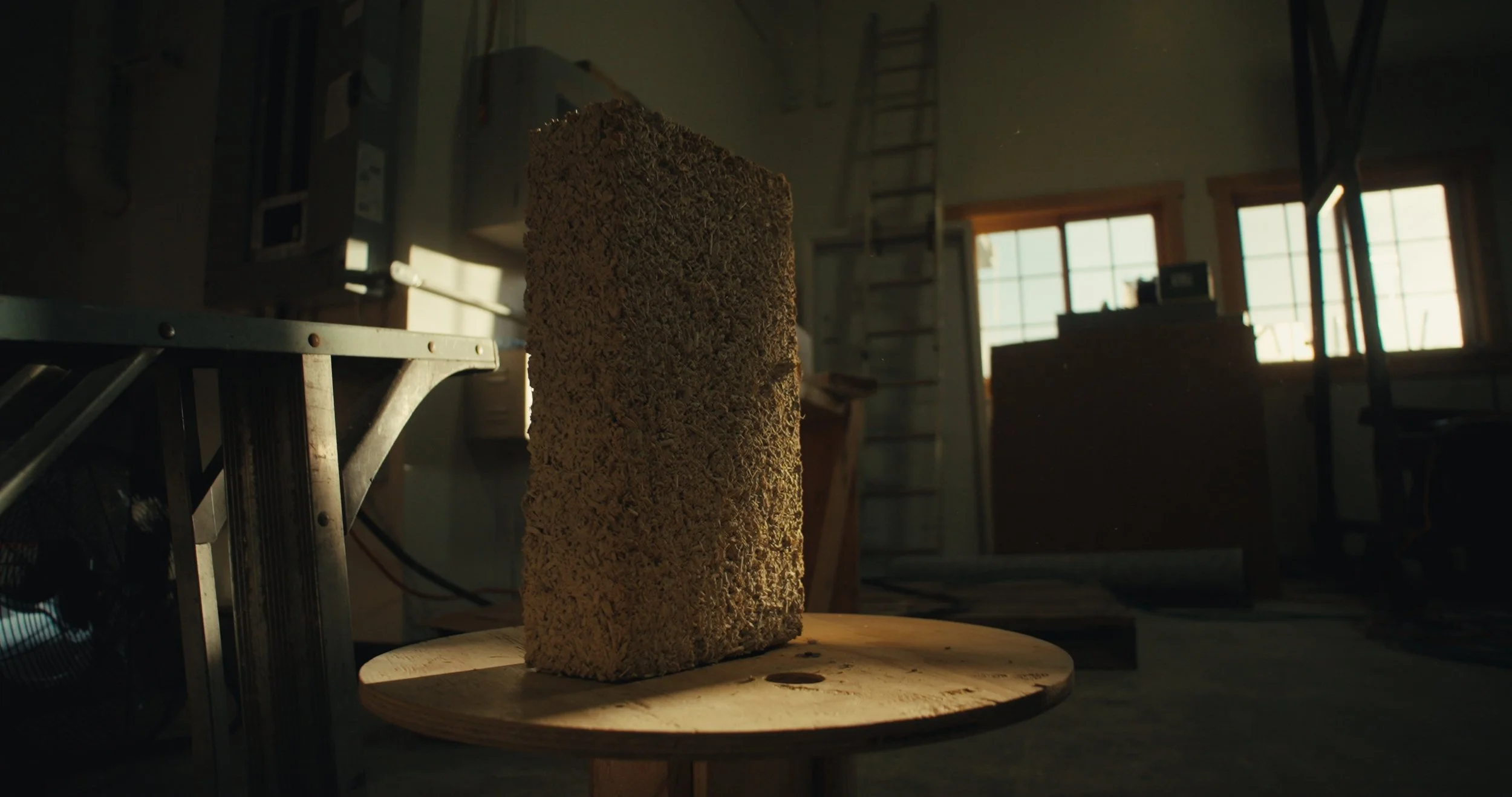
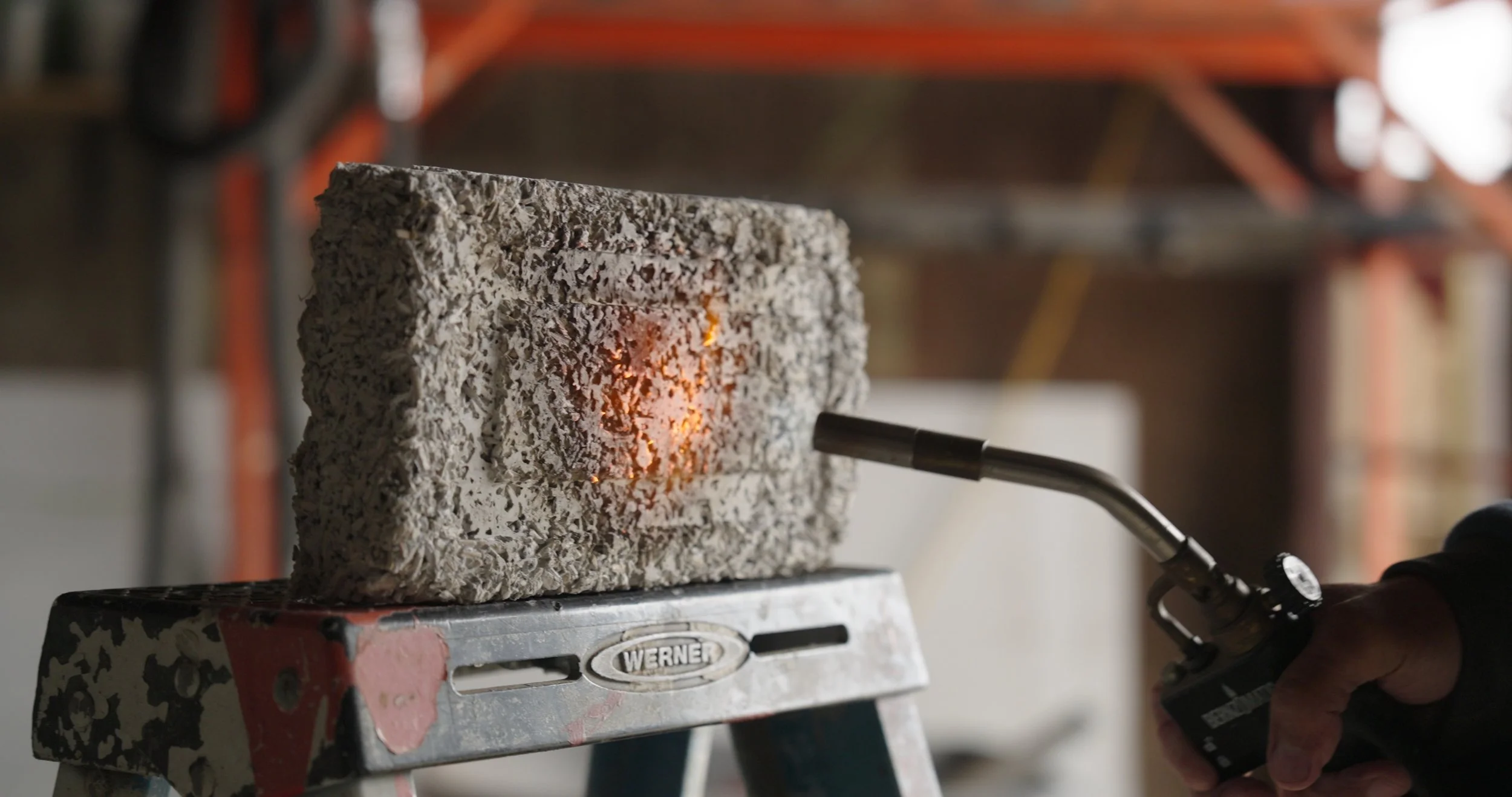
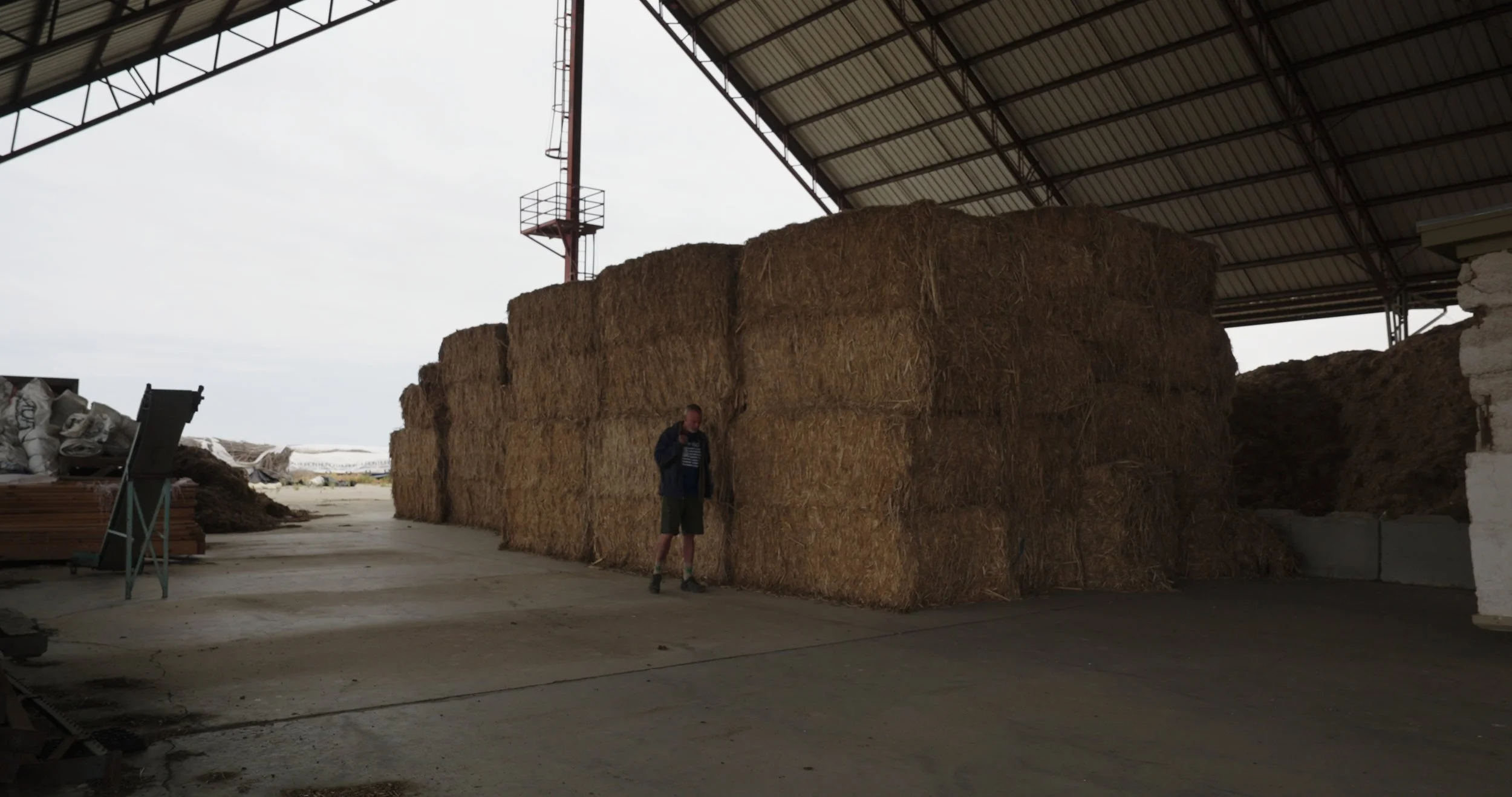
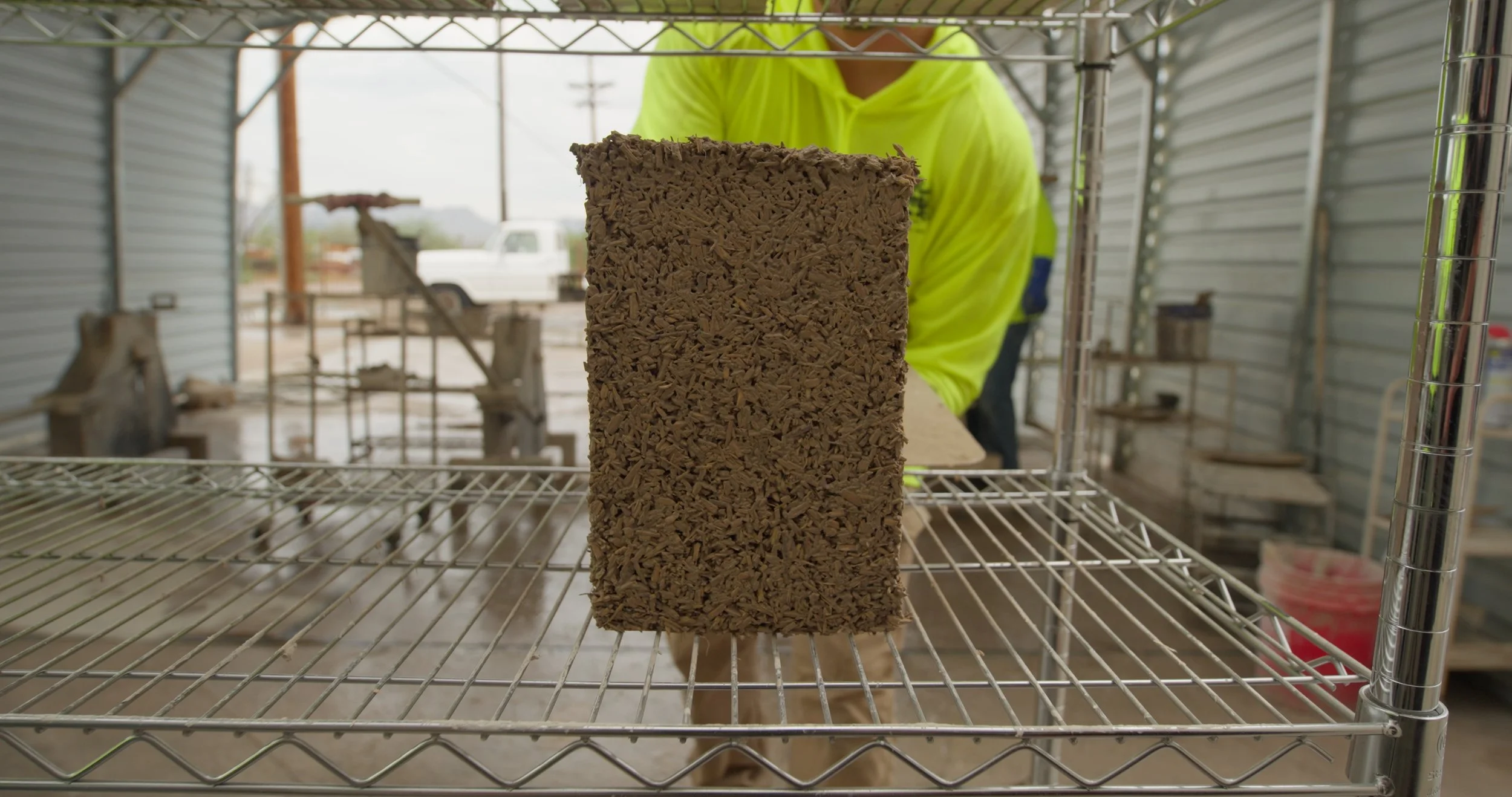
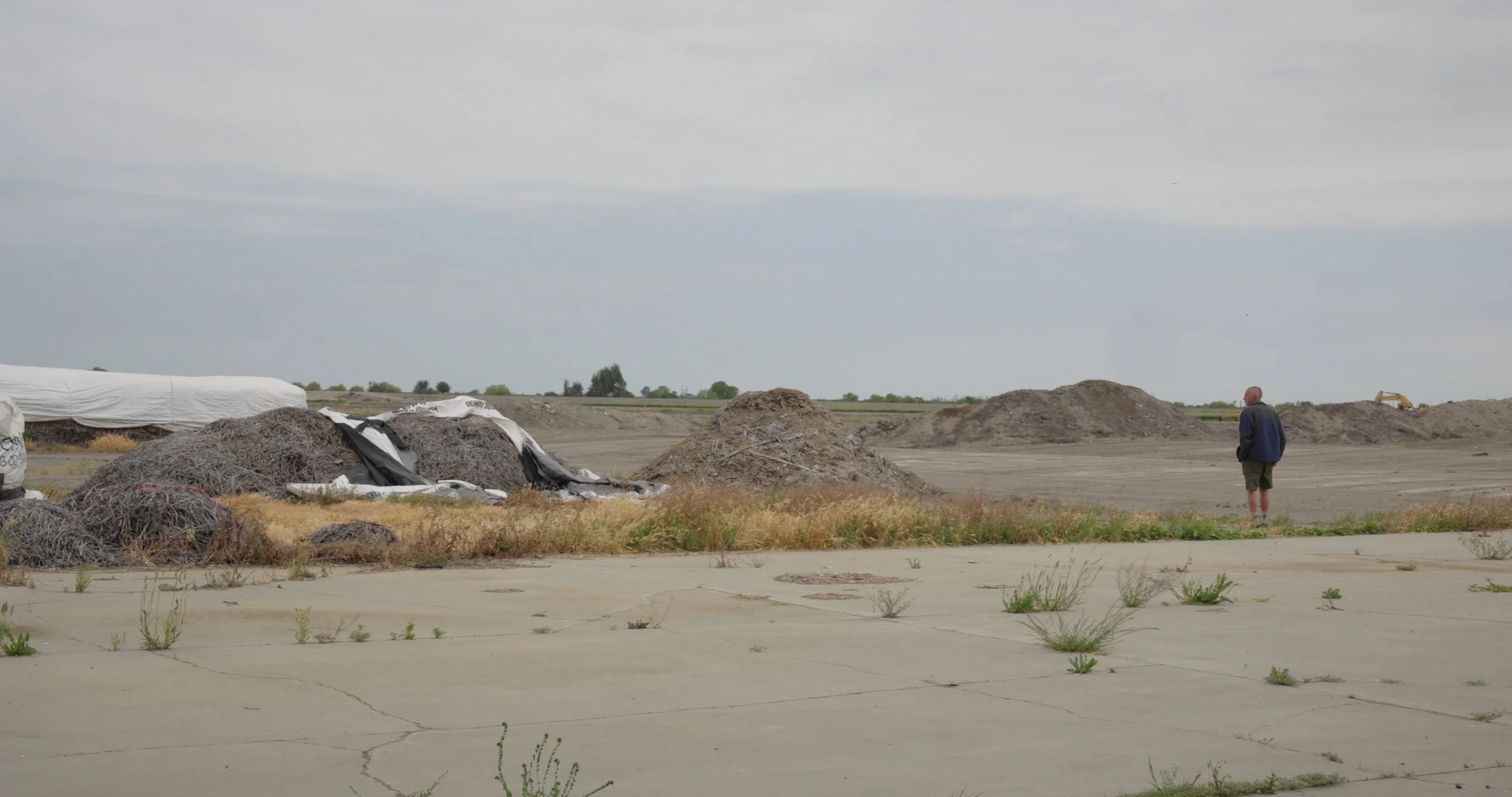
Hemp Nation is a documentary film exploring the environmental, economic, and sustainable potential of the hemp plant. Filmed across agricultural and production sites, the project examines how hemp can reduce deforestation, restore soil health, and serve as an alternative material in construction, manufacturing, and everyday products.
-
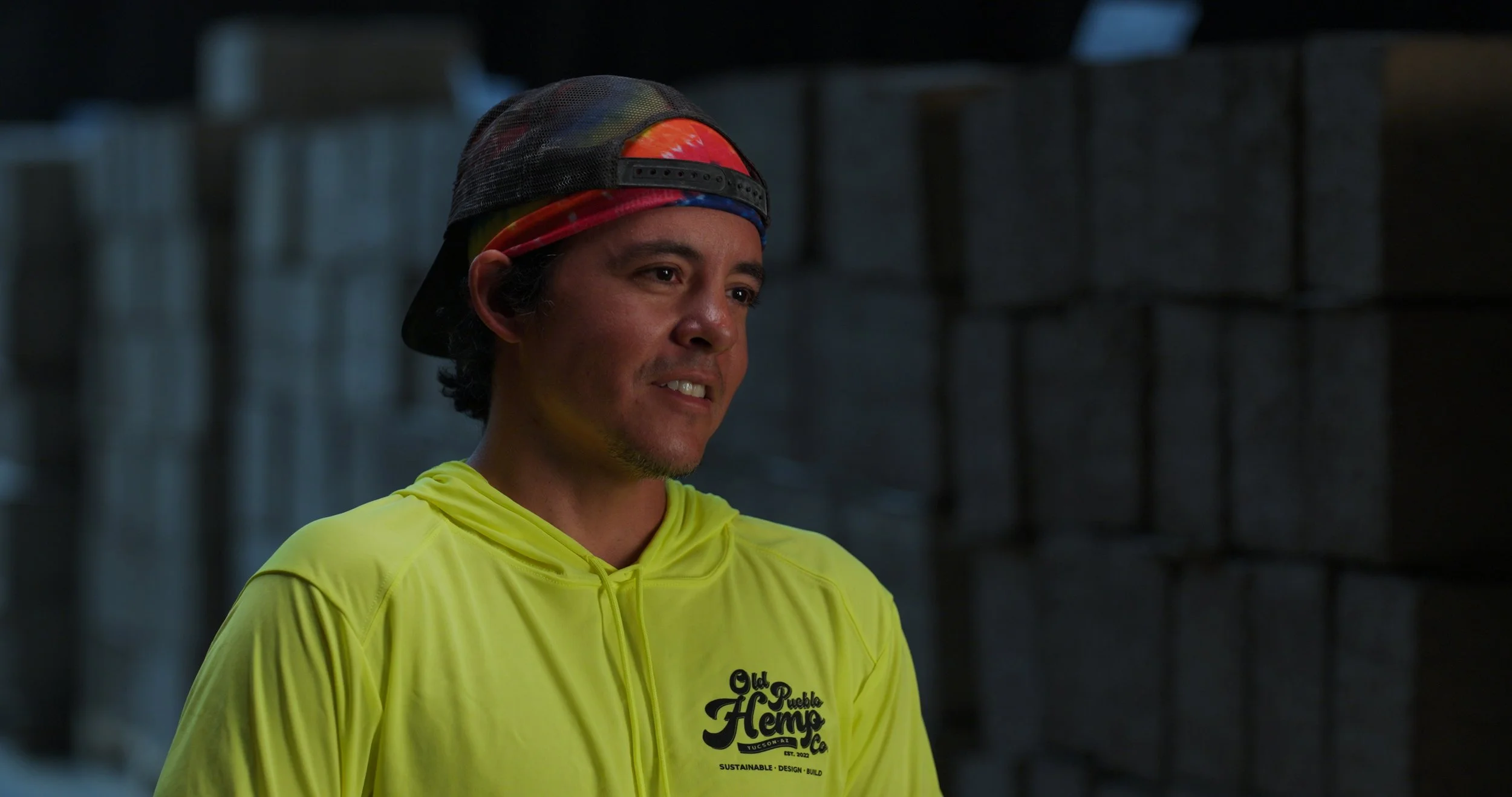
![A man with a colorful backwards cap and a bright yellow hoodie, standing near a stack of concrete blocks at night.]()
creating hemp homes for children's camp
-
![Hemp Farmer making carbon-positive homes]()
hemp farmer developing carbon-positive homes
-
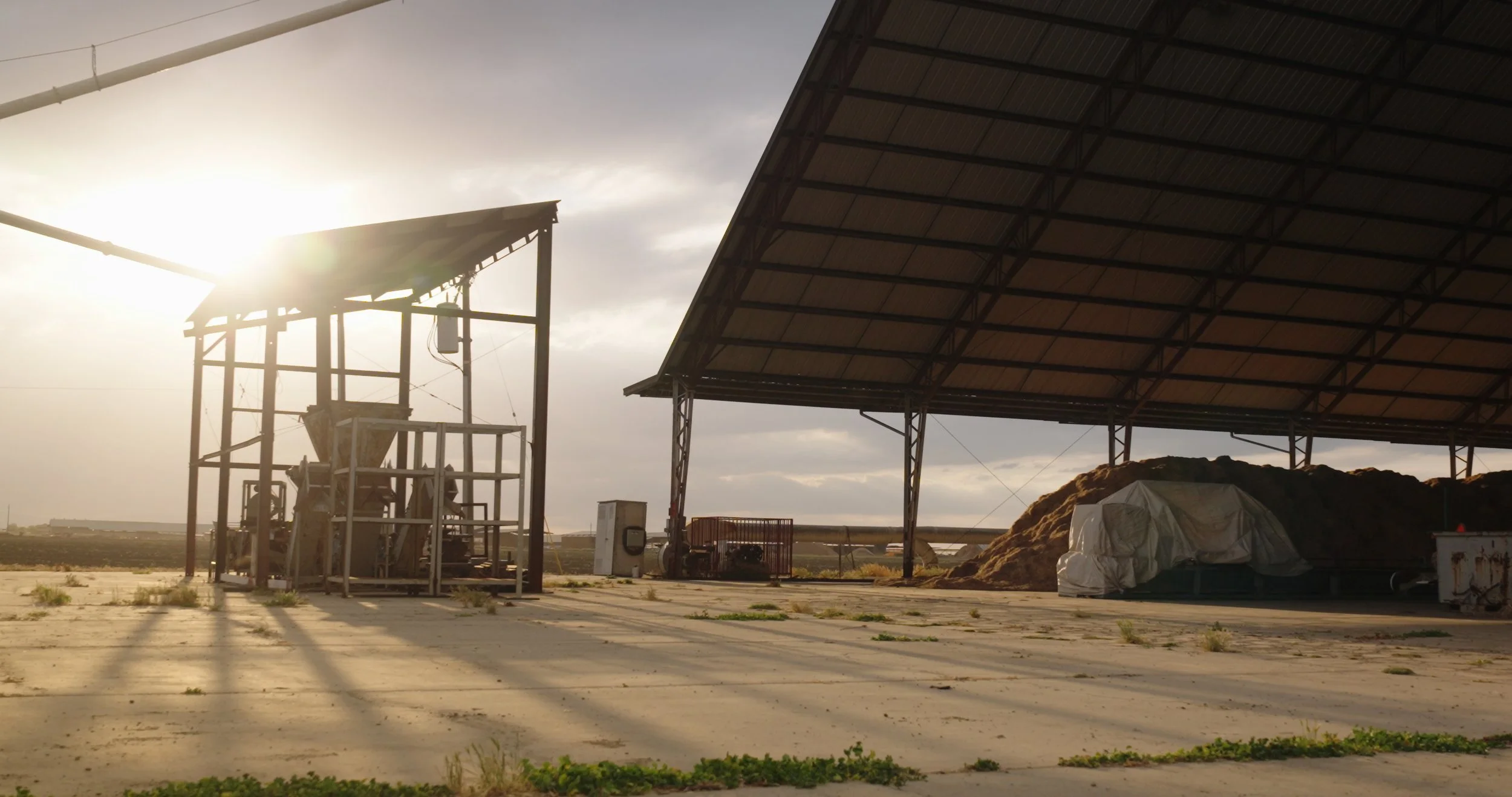
![Solar farm with mounted solar panels, a small structure, equipment, and a large pile of soil or sand. The scene is outdoors with sunlight and a cloudy sky.]()
Hemp Gin & Manufacturing
-
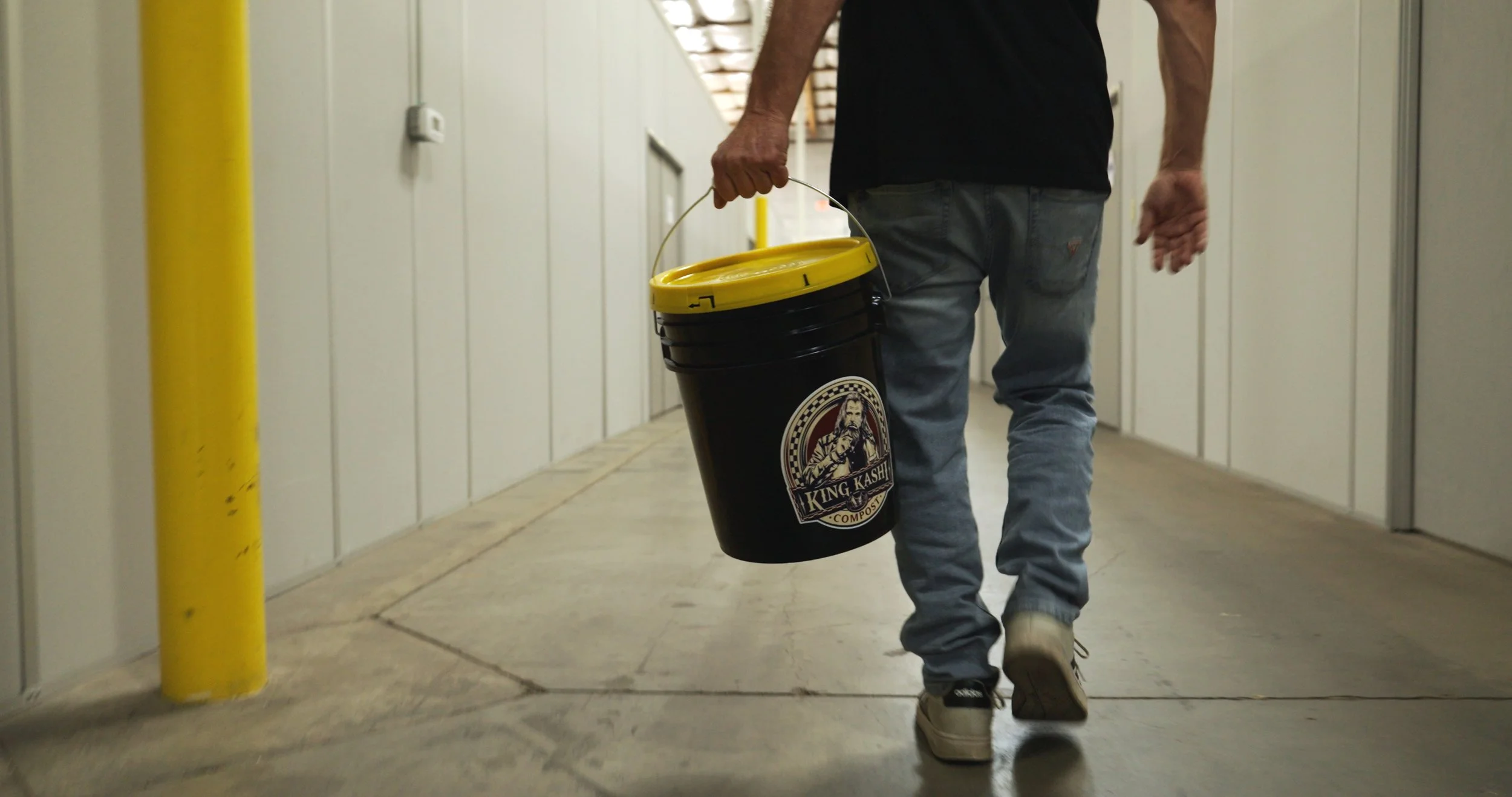
![A person walking down a hallway carrying a black bucket with a yellow lid, labeled 'King Kashi Compost'.]()
Patrick king, saving the soil
-
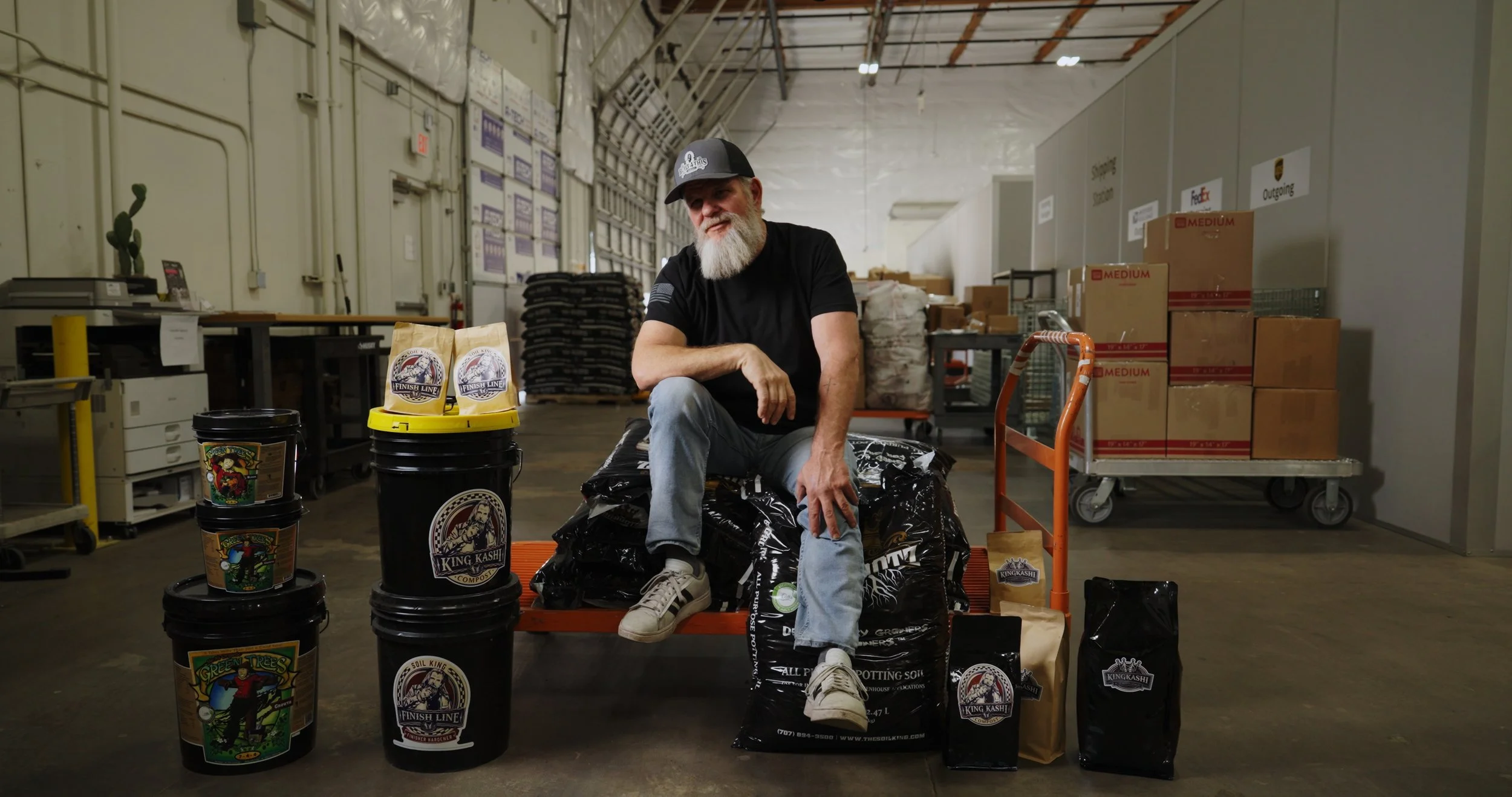
![A man with a gray beard and black cap sitting on an orange cart in a warehouse surrounded by bags and containers of potting soil and plant fertilizer.]()
patrick king interview
-
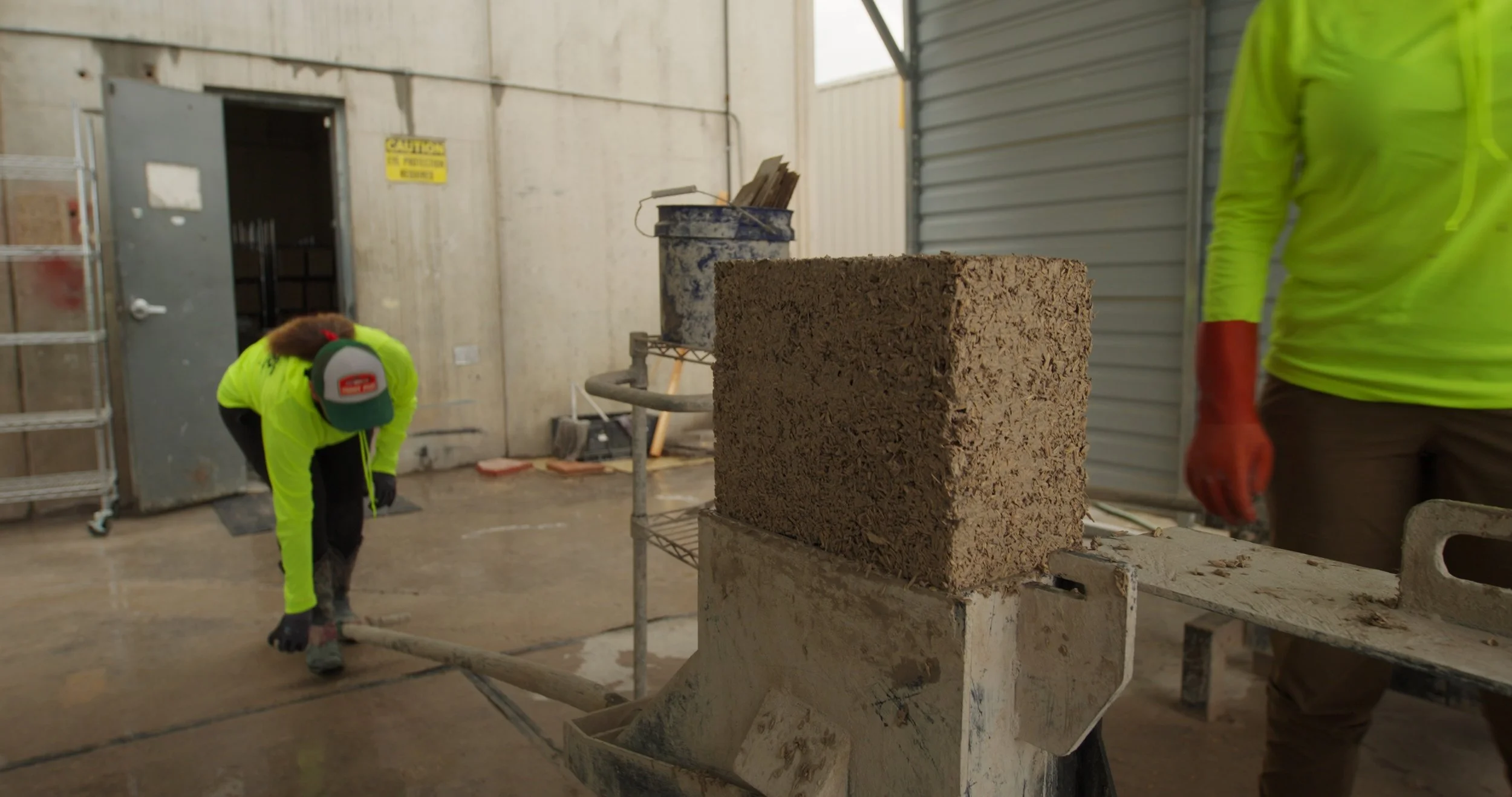
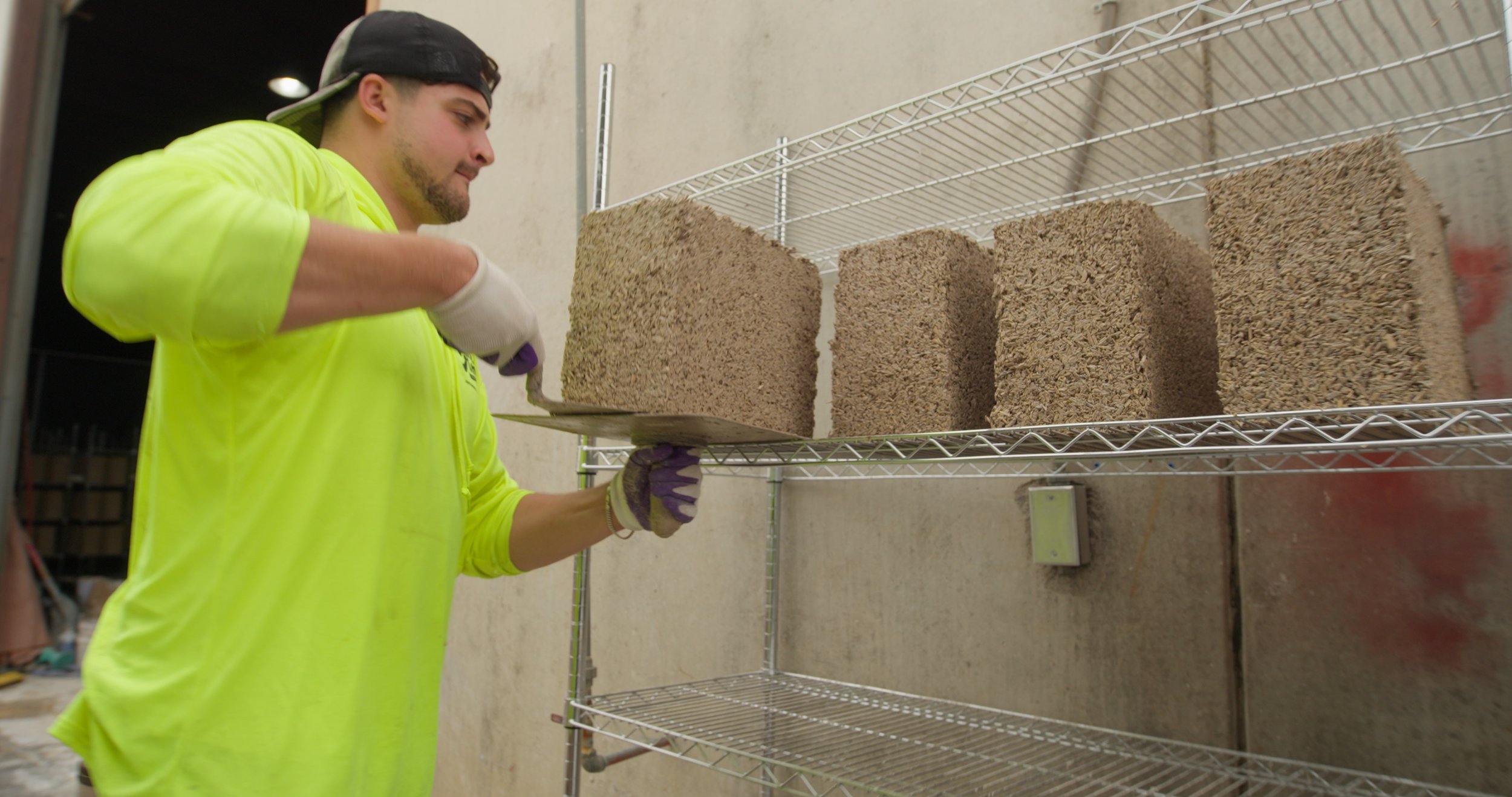
![Construction workers in neon safety shirts working with a concrete block and construction tools in an industrial space.]()
Industrial hemp in Tucson Arizona
-
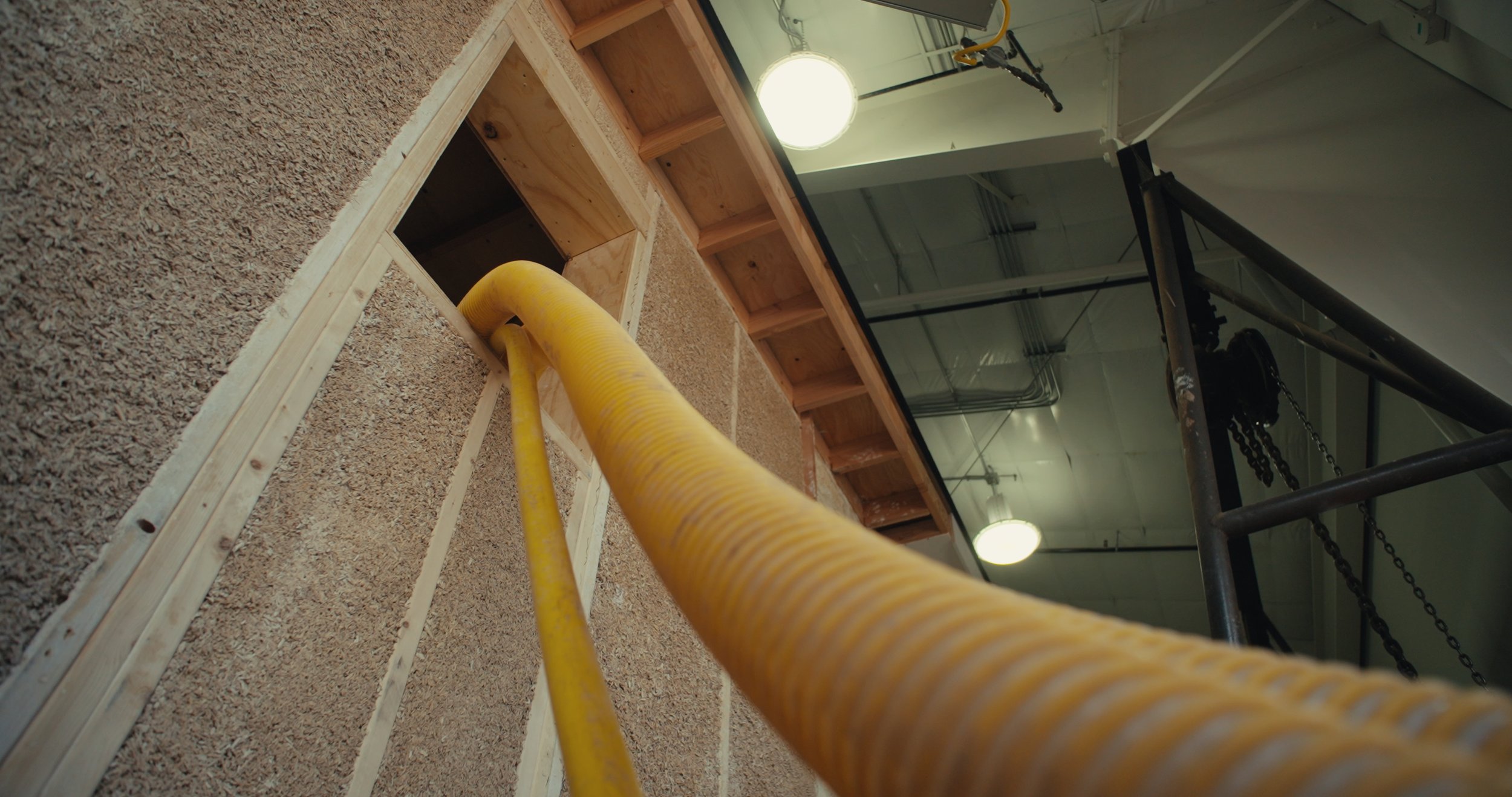
![An indoor construction or renovation site with various construction materials, tools, and equipment scattered around. The space has large windows letting in natural light and appears to be in the process of being set up or remodeled.]()
Research Project on 5 types of hemp installation
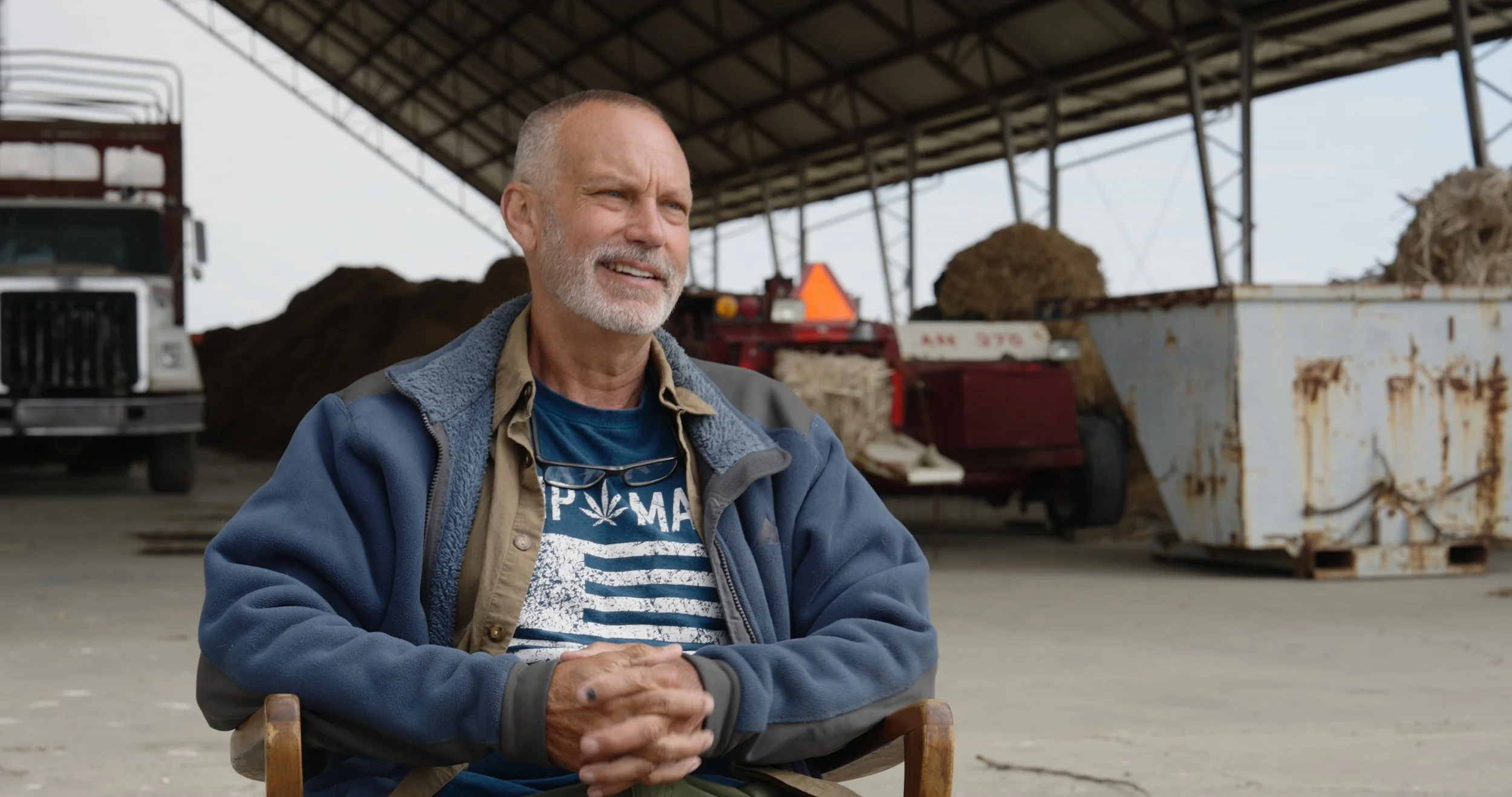
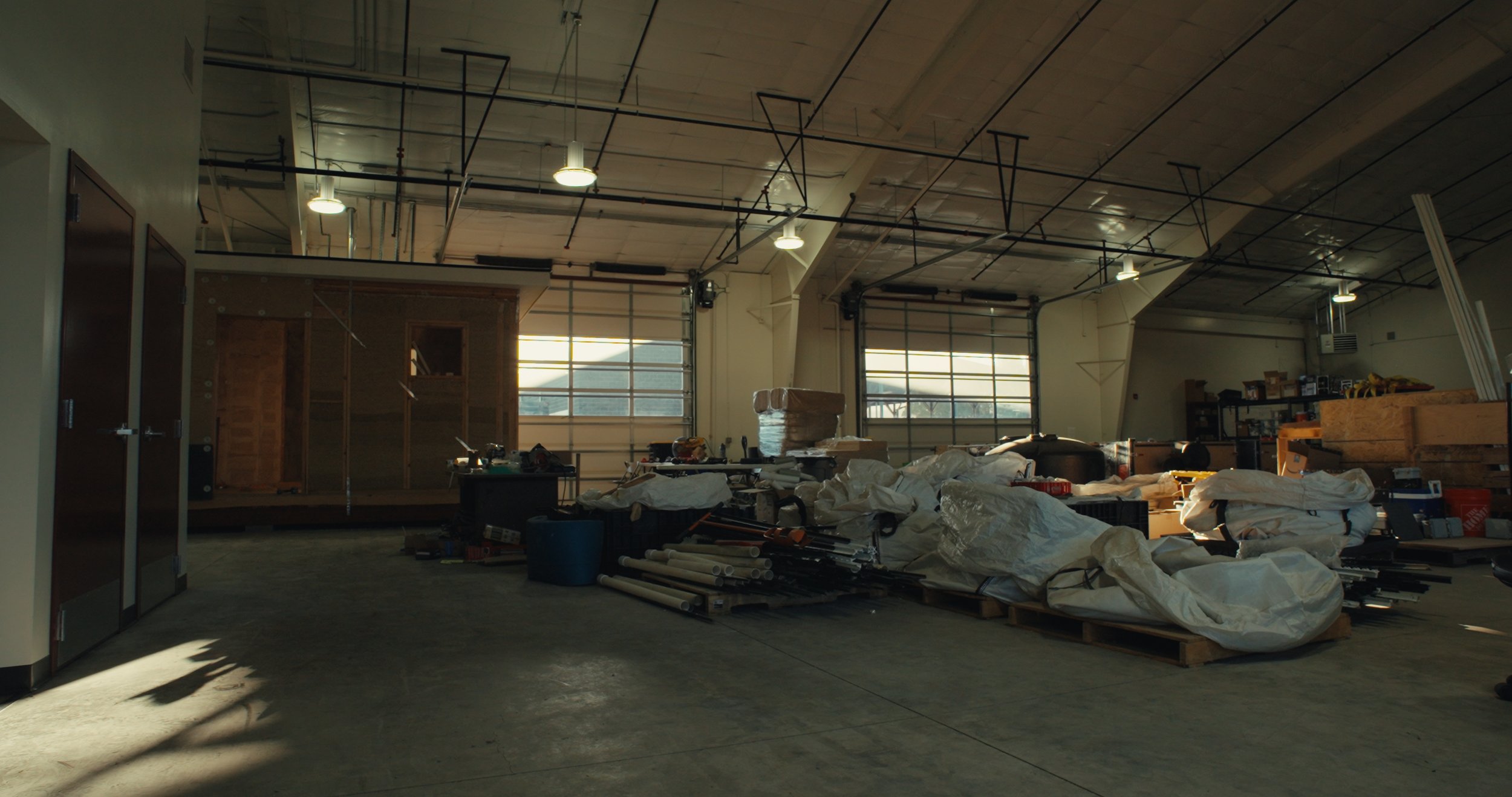
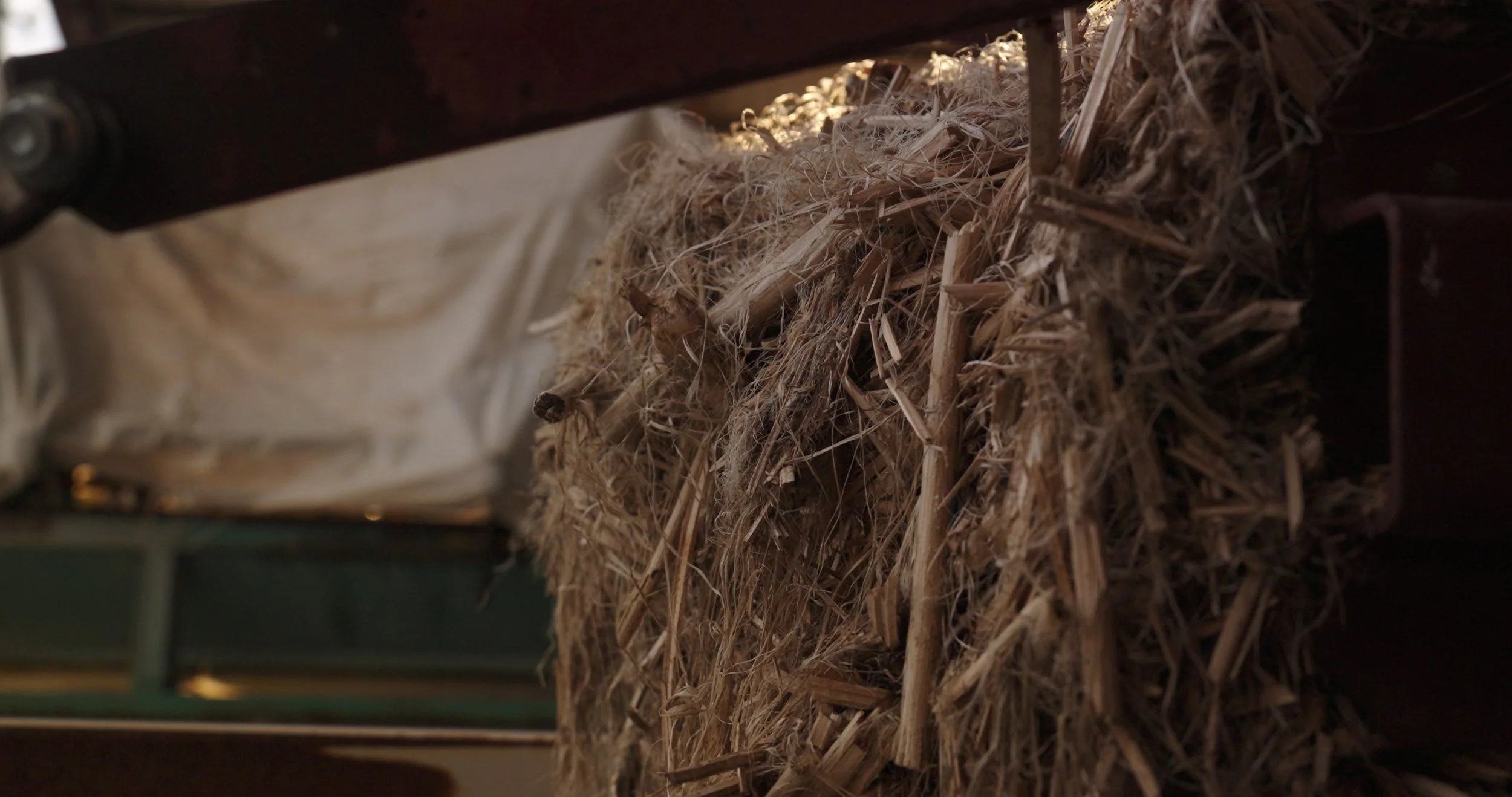
The goal of Hemp Nation is to create an educational documentary that presents hemp as a viable, scalable solution to several environmental challenges. Rather than promoting a product, the film focuses on real farmers, builders, and innovators working to change how hemp is perceived and used in the United States.
Project Goal
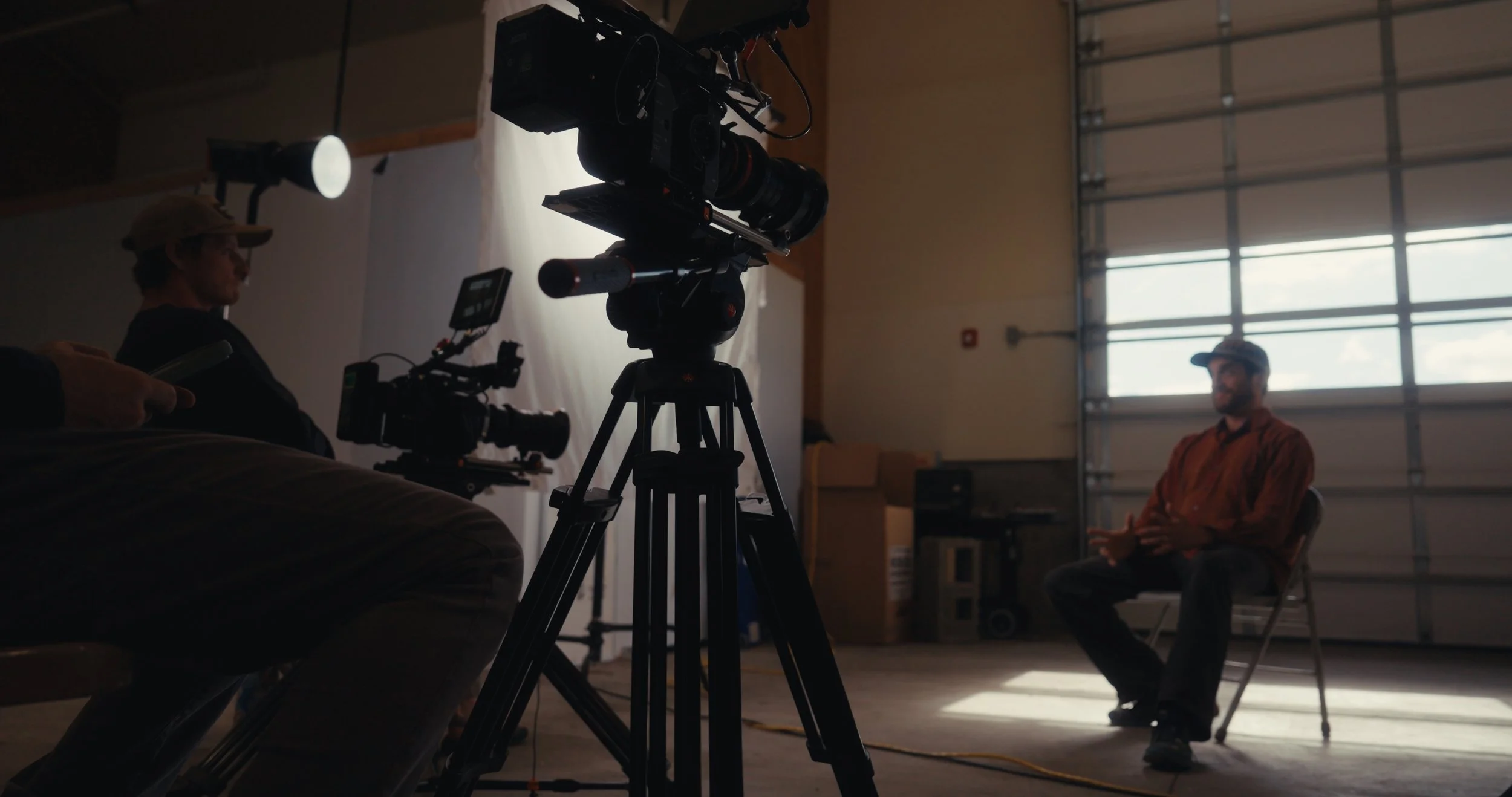
Field interviews with hemp farmers and builders
On-location filming at agricultural and production sites
Documentary-style interviews focused on education and lived experience
Editorial structure designed to simplify complex topics
How the Documentary is Made
Why hemp? Why now?
Hemp isn’t “just another plant.” One acre can become:
Building materials (hempcrete, insulation, fiberboard)
Textiles and bioplastics
High-protein food (seeds, oil, protein powder)
Soil-healing biomass and cover crop
Same acreage, multiple revenue streams and climate benefits from one species.
Carbon-hungry and soil-friendly
Fast growth + deep roots = serious carbon drawdown compared to many row crops.
Those roots break up compacted soil, help with water infiltration, and can assist in phytoremediation (pulling some contaminants out of degraded land when managed correctly).
As a rotation crop, it can help reduce pesticide and fertilizer dependence in some systems and improve soil structure over time.
Speed & yield: 4 months vs 20–80 years
Hemp
Typical fiber crop reaches harvest in 3–4 months.
Modern trials show ~10–20 tonnes of dry biomass per hectare per season, with ~4 t/ha of actual fiber in good conditions.
Trees (for paper/wood)
Pulpwood trees usually need 20–30+ years; saw-timber can be 40–80 years, depending on species and climate.
Team consists of:
Clayton Lindley - Producer / Director
Roger Lindley - Producer
Kirk Roos - Producer
Kate Brooks - Executive Producer
Lars Prandelli - Co-Director
Jasmine Shambo - Co-Producer
Quinn Taplin - Director of Photography
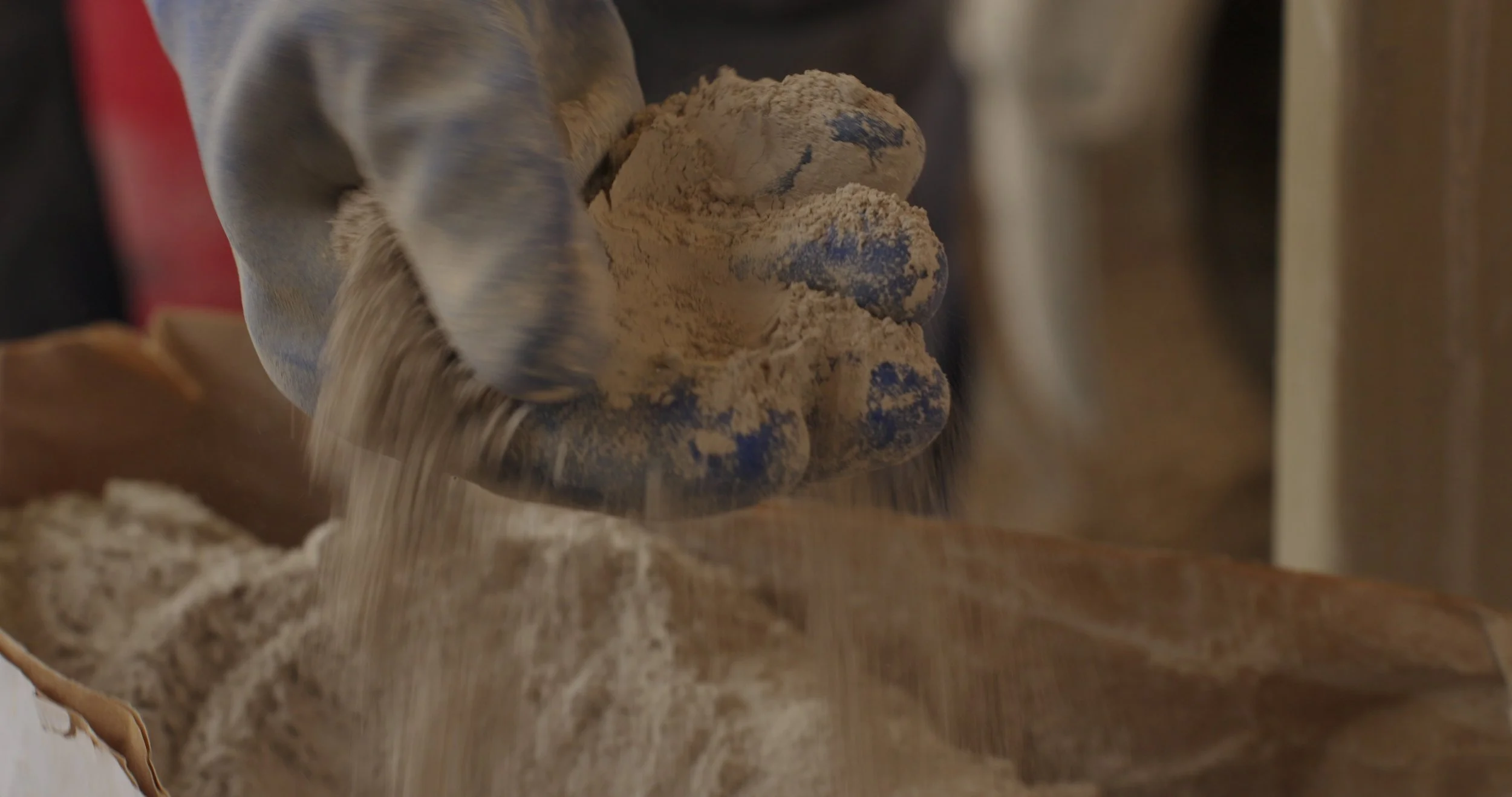
Camera
Sony FX6
Sony FX3
Lens
DZO Arles
Angenieux Cine Zooms
Interested in Telling a Purpose-Driven Story?
If you’re working on a project centered around sustainability, education, or social impact, we’d love to talk about how documentary storytelling can help communicate it with clarity and integrity.
Make a donation
Please support our mission of spreading the word of Hemp by contributing today.