
Live Event Coverage to Final Edit: Why One Team Should Handle Both
Most companies book their event coverage and their editing separately. A videographer shoots the day, hands over a hard drive, and an editor somewhere else tries to make sense of footage they never saw captured. It works, technically. But it leaves a lot on the table, and it is one of the most common reasons event content comes back flat.
The better approach is one team from the first camera setup to the final export. Here is why that matters, and what you actually gain from it.
The Handoff Problem
When the crew that shot your event is not the crew that edits it, information gets lost in the gap between them.
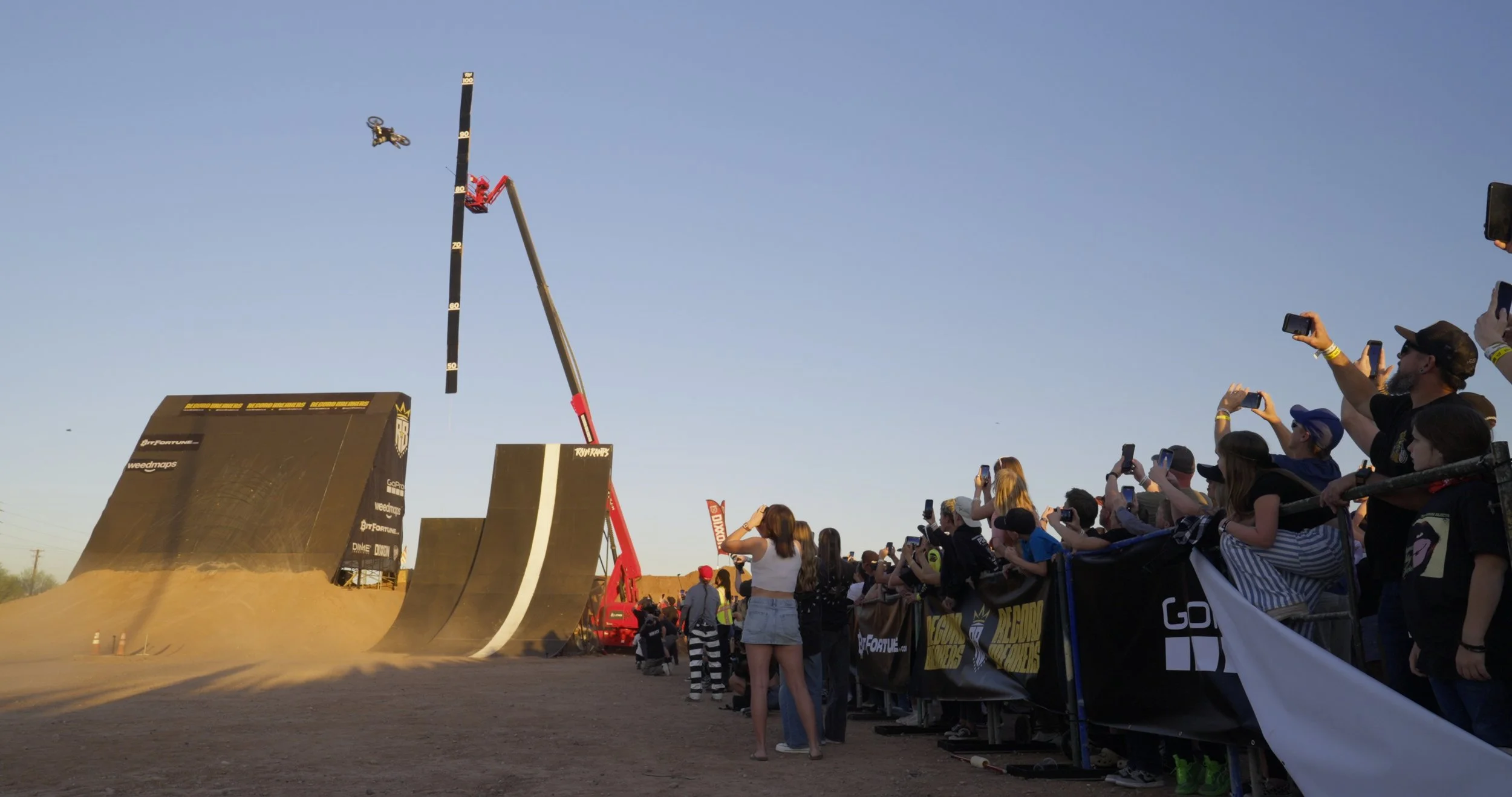
The on site team and editors knew the sponsor only cleared their logo for the main stage, not the after-party. They knew the rider landed the trick clean on the third attempt, not the second, and that the first two are unusable. They knew which executive is media-trained and which one asked to never be shown mid-sentence. They knew the band's manager wanted the drummer featured, that the crowd energy peaked during the third song, that the product demo only worked on the second run. None of that travels with a hard drive. The editor gets raw files and a vague brief, and they rebuild the story from scratch, guessing at what mattered and often getting it wrong.
This is one of the biggest time and money wasters in the event world. The back and fourth and quick turn arounds from someone not there often causes a large communication issue. This especially happens when hiring editors outside of the country and increases as the language barrier rises. It may be cheaper at the beginning but typically you end up spending the same amount and have more back and fourth.
A single team does not guess. The people who captured the moment are the same people who cut it, or they are sitting in the same room. The context stays intact from start to finish.
Speed That Actually Matters for Events
Event content has a short shelf life. A highlight reel that goes out three weeks after the conference is a fraction as valuable as one that goes out that night, or the next morning, while attendees are still posting and sponsors are still paying attention.
When one team handles both, the edit can start before the event is even over. At Ragtown, our on-set editors run a live ingest pipeline at concerts, conferences, and multi-day events. Footage gets pulled, cut, and color-corrected while the event is still happening. Sponsors see content before the crowd leaves. Your social channels post while the moment is still relevant.
That is only possible when the shooting crew and the editing team are one operation. Split them across two vendors and you lose the speed entirely, because the footage has to physically change hands before anyone can start.
Same-Day Delivery
For events where timing is everything, one team makes same-day delivery possible. This is the capability most brands do not realize they can ask for.
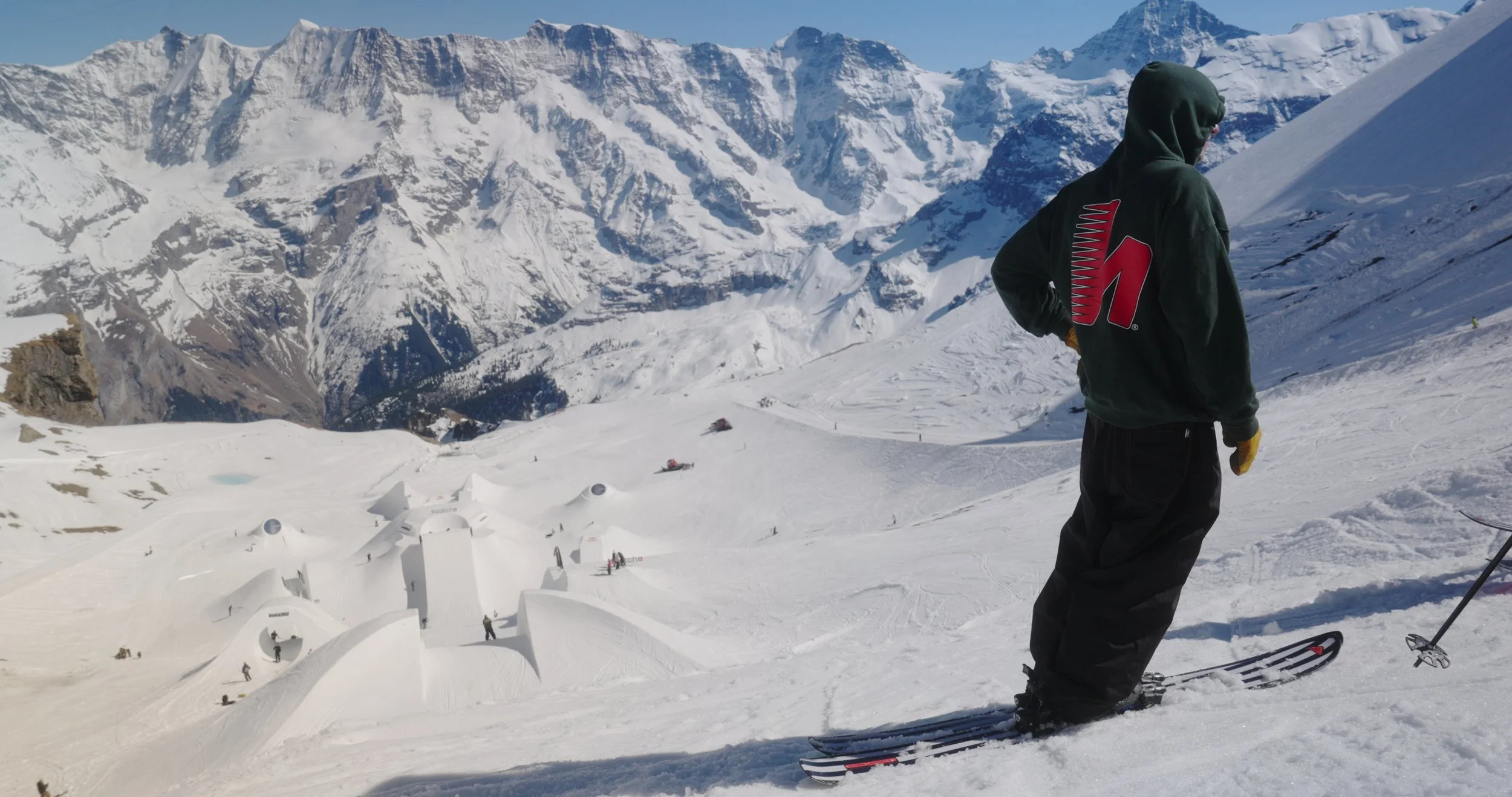
At Ragtown, our on-set editors run a live ingest pipeline during the event itself. As footage comes off the cameras, it is already being pulled, organized, and cut. By the time the event wraps, you can walk away with finished content in hand: a highlight reel, sponsor cut-downs, and vertical social clips ready to post that night.
Here is what that unlocks. Sponsors see their activation on screen before they have even left the venue, which makes renewals and upsells a far easier conversation. Your social channels post while attendees are still there posting too, so your content rides the same wave instead of showing up two weeks later when nobody remembers the event. And the client walks away with a deliverable already in their hands, not a promise and a three-week wait.
Same-day delivery costs more than standard turnaround. It takes more crew, more on-site gear, and tighter coordination, because the editing happens live instead of back at a desk over the following weeks. But for a product launch, a sponsored event, or anything where the content has to hit while the moment is hot, it is the difference between content that lands and content that missed its window.
If your event has a real deadline attached, tell us up front. Same-day changes how we staff and structure the shoot, so it is a decision we make in pre-production, not a favor we scramble for on the day.
One Point of Accountability
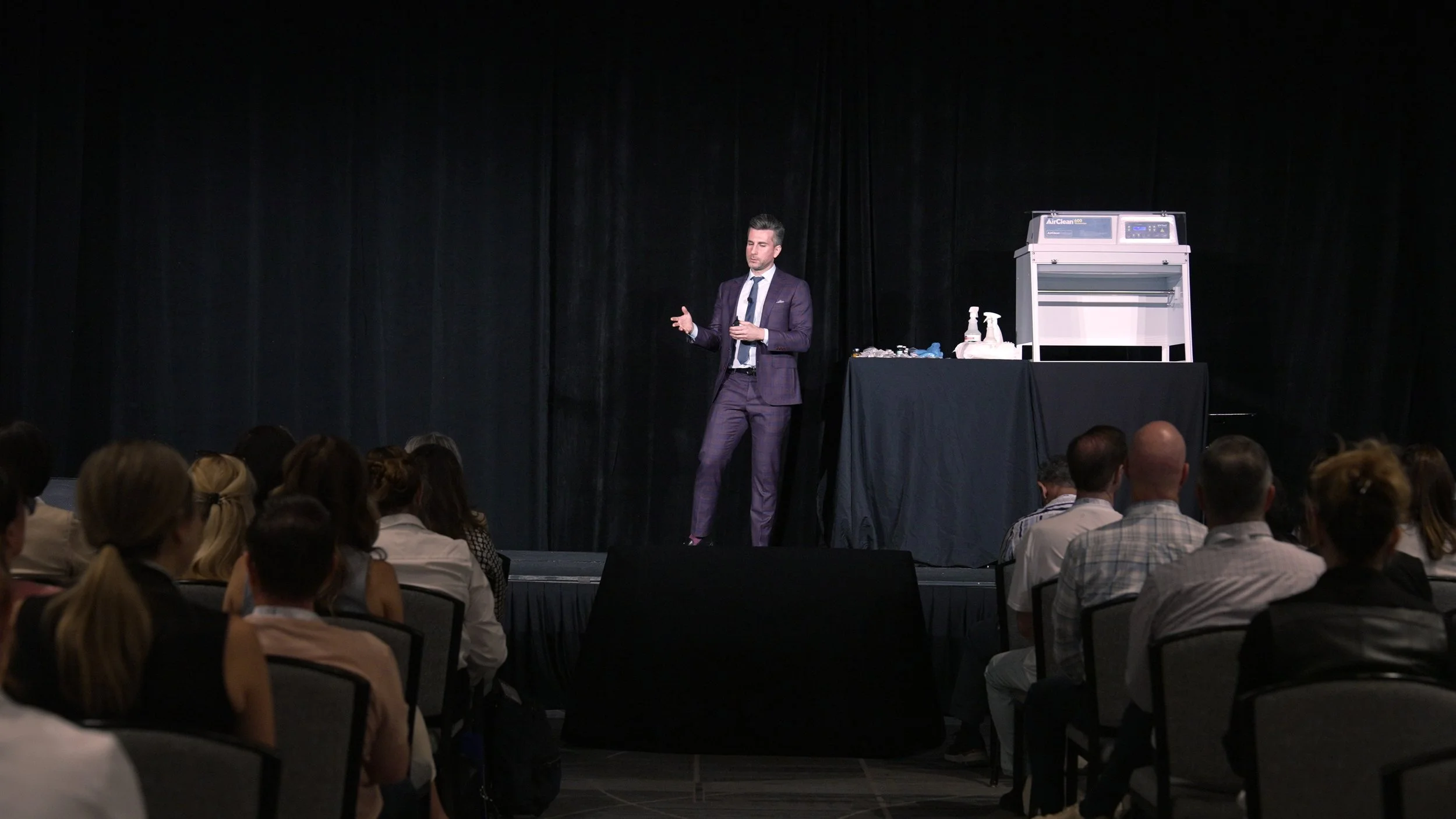
Split productions create a blame gap. If the final video is not right, the editor says the footage was not there, the videographer says the edit missed the moment, and you are stuck in the middle managing two vendors who each point at the other.
One team owns the whole result. If something needs to be captured a specific way for the edit to work, the crew knows that on the day, because they are the ones who will be cutting it. There is no finger-pointing because there is no seam to point at.
What End-to-End Actually Looks Like
Here is how a full-service event production runs when one team handles all of it:
Pre-production, the team plans coverage around the deliverables. They know they need a 60-second highlight reel, sponsor cut-downs, full-session recordings, and vertical social clips, so they shoot to support all of it from the start.
Production day, multiple cameras, drone coverage where it fits, dedicated audio, and on-set editors ingesting and building in real time.
Post-production, the same team that shot it cuts it. Highlight reels, sponsor packages, full-length recordings, and social content in every format, all delivered on a timeline that matches how fast event content loses value.
You get one brief, one crew, one point of contact, and one accountable result.
When Splitting the Work Makes Sense
To be fair, there are cases where using separate vendors is fine. If you have a large in-house post team that knows your brand deeply and just needs raw footage, a shooter-only booking can work. If the content is not time-sensitive and the edit is simple, the handoff matters less.
But for most brands running an event, the answer is one team. The speed, the retained context, and the single point of accountability outweigh the flexibility of splitting it, especially when timing is the whole point.
Frequently Asked Questions
Can Ragtown Media handle both live event coverage and post-production? Yes. Ragtown Media is a full-service event production company in Scottsdale, Arizona that handles the entire process from pre-production planning through live multi-camera coverage to final editing and delivery. The same team that captures your event edits it, which keeps context intact and speeds up turnaround. Ragtown has covered concerts, festivals, conferences, and multi-day events across Arizona.
How fast can I get event footage back? When one team handles both coverage and editing, footage can be delivered same-day. Ragtown Media runs on-set editors with a live ingest pipeline at events, so highlight reels and social clips can be cut and delivered while the event is still happening or the next morning, rather than weeks later.
Why is it better to hire one team instead of a videographer and a separate editor? A single team keeps the context of the shoot intact through the edit, delivers faster because footage does not have to change hands, and gives you one point of accountability instead of two vendors pointing at each other. The crew that captured the key moments is the same crew that cuts them.
What kind of events does Ragtown Media cover? Ragtown Media covers concerts, festivals, corporate conferences, product launches, sporting events, and multi-day gatherings across Arizona. Coverage includes multi-camera capture, drone aerials, dedicated audio, and full post-production.
Closing
If you are planning an event and want content that goes out fast and actually tells the story, one team from setup to final edit is the way to do it. See how we handle live event production at /live-event-production, or start a project to talk it through.