
Why AI Is Making Real Video Production More Valuable
Every brand now has access to tools that can generate a video in minutes. Type a prompt, get a clip. It looks clean, distorted, it costs almost nothing, and it is everywhere. So the obvious question is the one a lot of production companies are afraid to ask out loud: if AI can make video for free, why would anyone pay a crew to do it?
Here is the honest answer, and it is not the one you would expect. AI has not made real video production less valuable. It has made it more valuable. The flood of synthetic content is exactly what makes the real thing rare, and rare is where value lives.
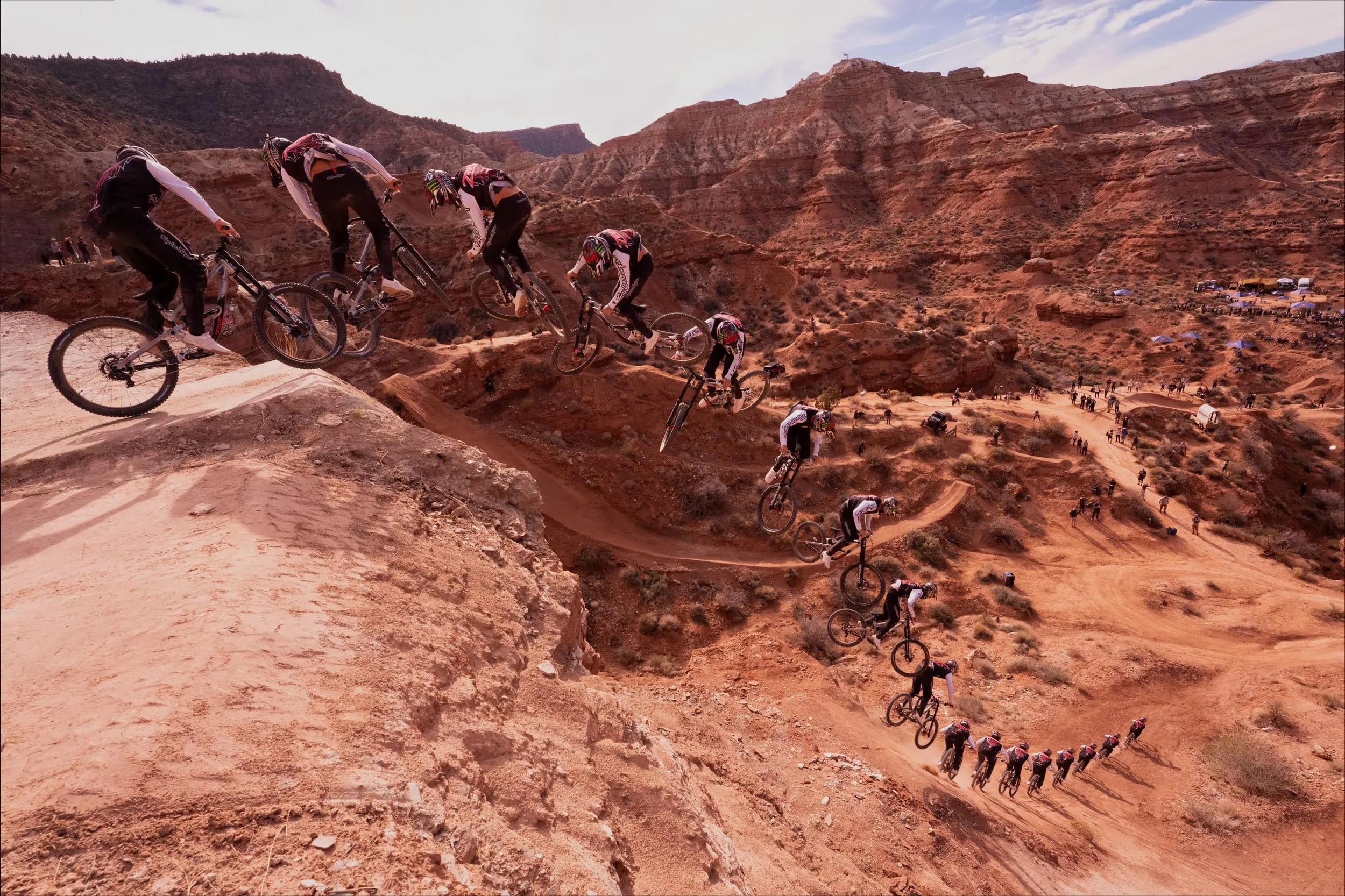
Red Bull Rampage 2025 Athlete Sequence
The Flood Changed What Stands Out
A few years ago, polished footage was the signal of quality. If it looked expensive, people assumed it was real and trusted it more. That signal is gone. Now anything can look polished, because a machine can render polish on demand. The audience knows this. They have watched the same AI aesthetic spread across every feed, and they have started to tune it out.
When everything looks produced, production stops being the differentiator. What stands out now is the opposite: something that could not have been faked. A real person, in a real place, saying something a script would never have written. The audience can feel the difference, even when they cannot articulate it, and they lean toward the real one.
Next time youre at the farmers market, scrolling reels, Facebook ads, state fairs, restaurant menus, the list goes on… They almost all look the same, they all blend in to each other, now (at least to me) doesn’t make any of them stand out.
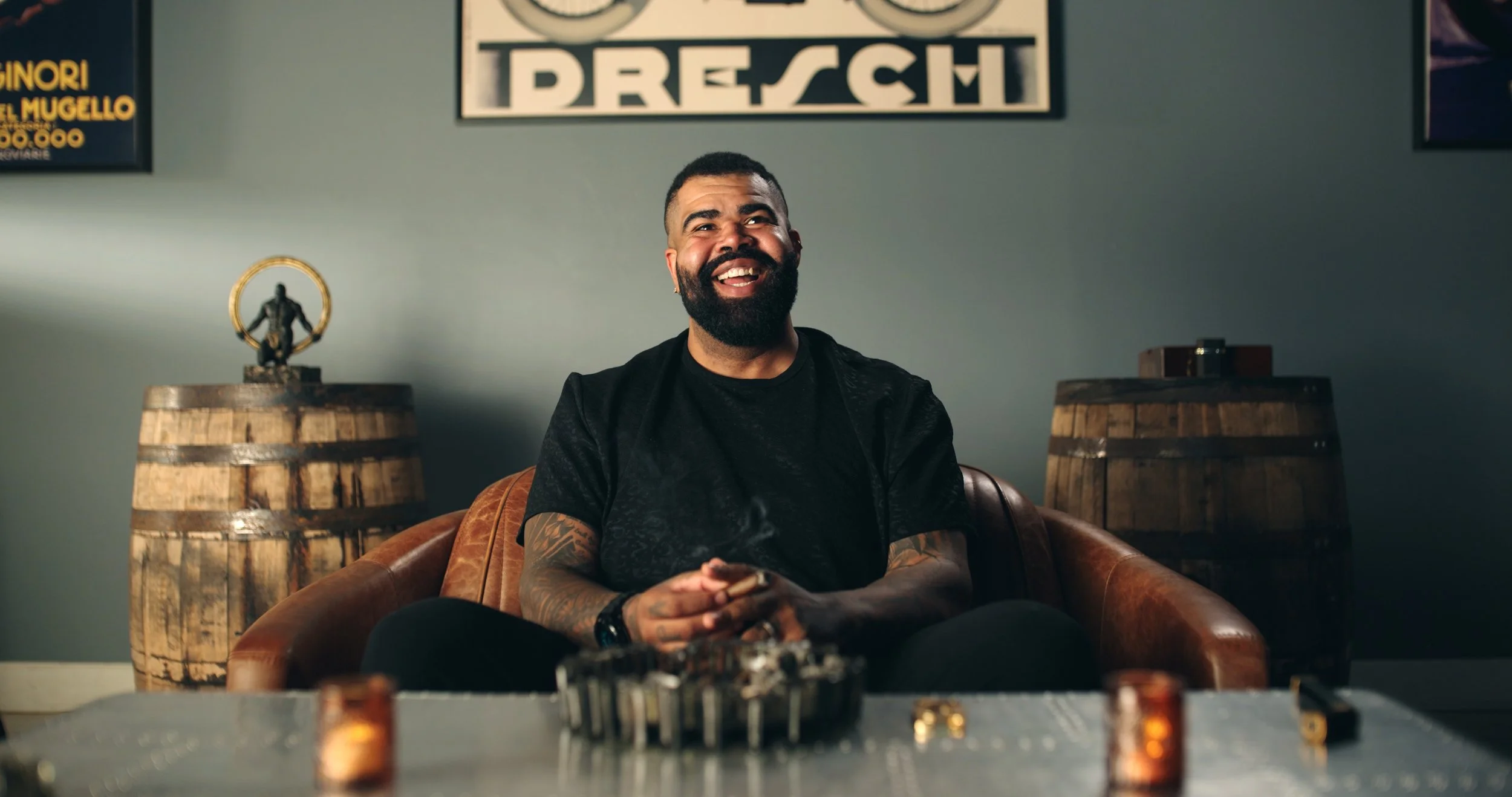
Kyree Oliver online course
AI Cannot Be Somewhere
This is the part that does not change no matter how good the models get. AI can generate a person who looks like a rancher. It cannot drive out to a ranch at 5am, earn that rancher's trust over a day of not filming, and catch the ten seconds where he says the thing he has never said on camera before. AI can render a mountain. It cannot put a crew on that mountain to catch the light doing something it only does for four minutes a year.
Real video production is not valuable because of the cameras. It is valuable because of access, presence, and judgment. Being in the room. Knowing which moment matters. Building enough trust that the subject forgets the camera is there. None of that is a rendering problem, so none of it gets solved by a better model. It only gets more scarce as the easy stuff gets automated.
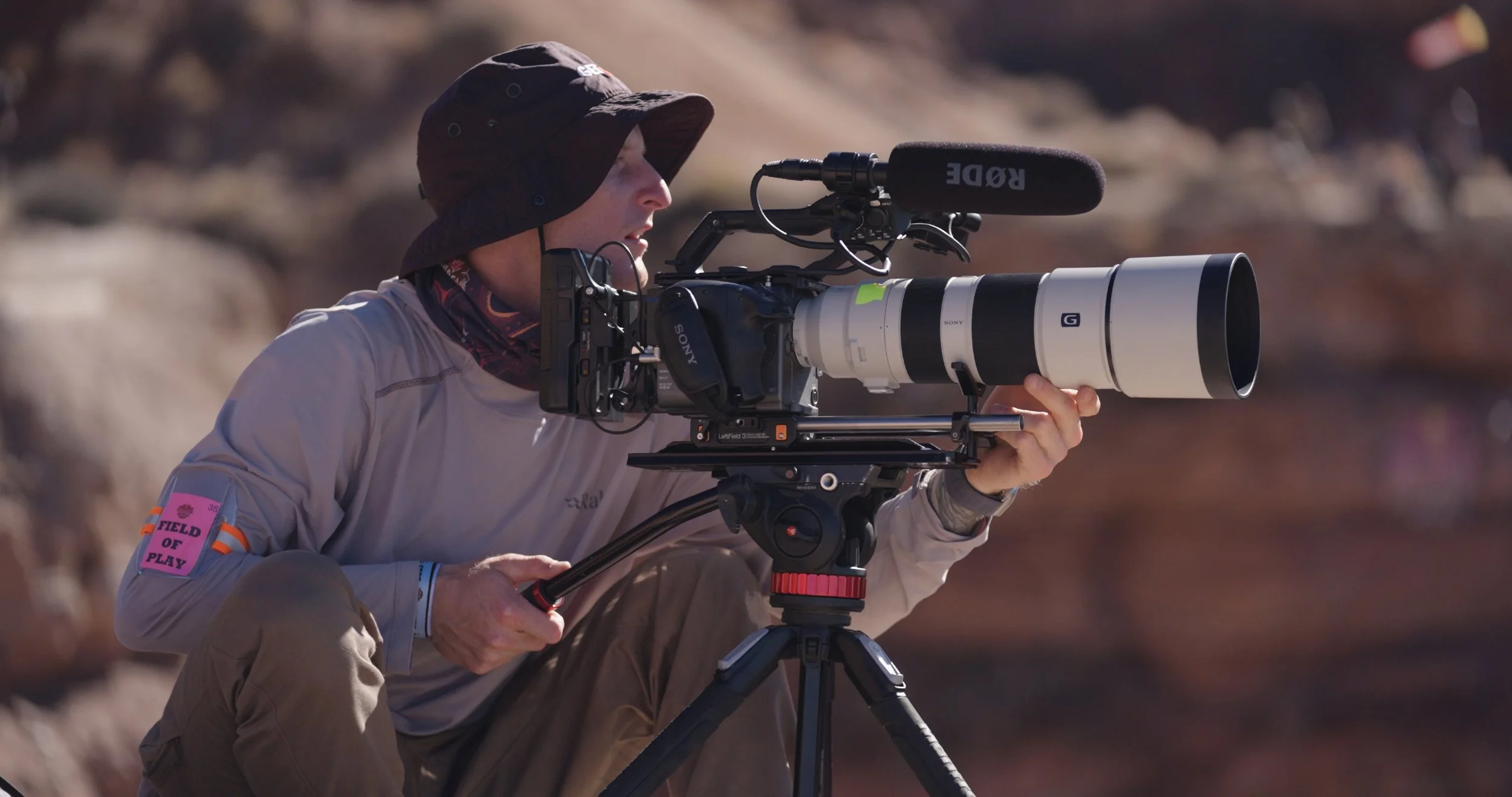
Trust Is the Whole Game Now
Brands are not competing for attention anymore. Attention is cheap. They are competing for trust, and trust has gotten harder to earn because audiences now assume a lot of what they see is fake or generated.
That assumption is a problem for synthetic content and an opportunity for real content. When a viewer can tell a story actually happened, that it was captured and not manufactured, it carries weight that a generated clip cannot. It is the difference between a company telling you it cares and showing you a real moment that proves it. One is a claim. The other is evidence. In a feed full of claims, evidence is what converts.
This is the core of what we call docu-marketing: real people, real environments, real stakes, no scripts and no staged content. It worked before AI. It works more now, because the contrast is sharper.
Where AI Actually Helps
None of this means AI is the enemy of production. Used well, it is a tool that makes real work better and faster behind the scenes. It speeds up transcription, rough assembly, and organizing footage. It helps with research and pre-production. It can handle the tedious parts of post so the human hours go where they matter.
The line worth drawing is simple. Use AI to support the work, not to replace the moment. The moment is the thing you are actually selling, and the moment has to be real. Everything around it can be optimized. The capture itself cannot be faked without losing exactly the thing that made it worth making.
What This Means for Brands
If you are a brand deciding where to put your content budget in a world of cheap AI video, the honest framing is this. Anything that can be generated will be generated, by you and by everyone else, and it will all blend together. The content that will actually move people and build trust is the content that could not have been generated: the real story, captured by people who were there.
That is not the cheap option. It is the one that works when the cheap option stops working, which is already happening. As the feed fills with synthetic content, the real film is the one that gets remembered, shared, and believed.
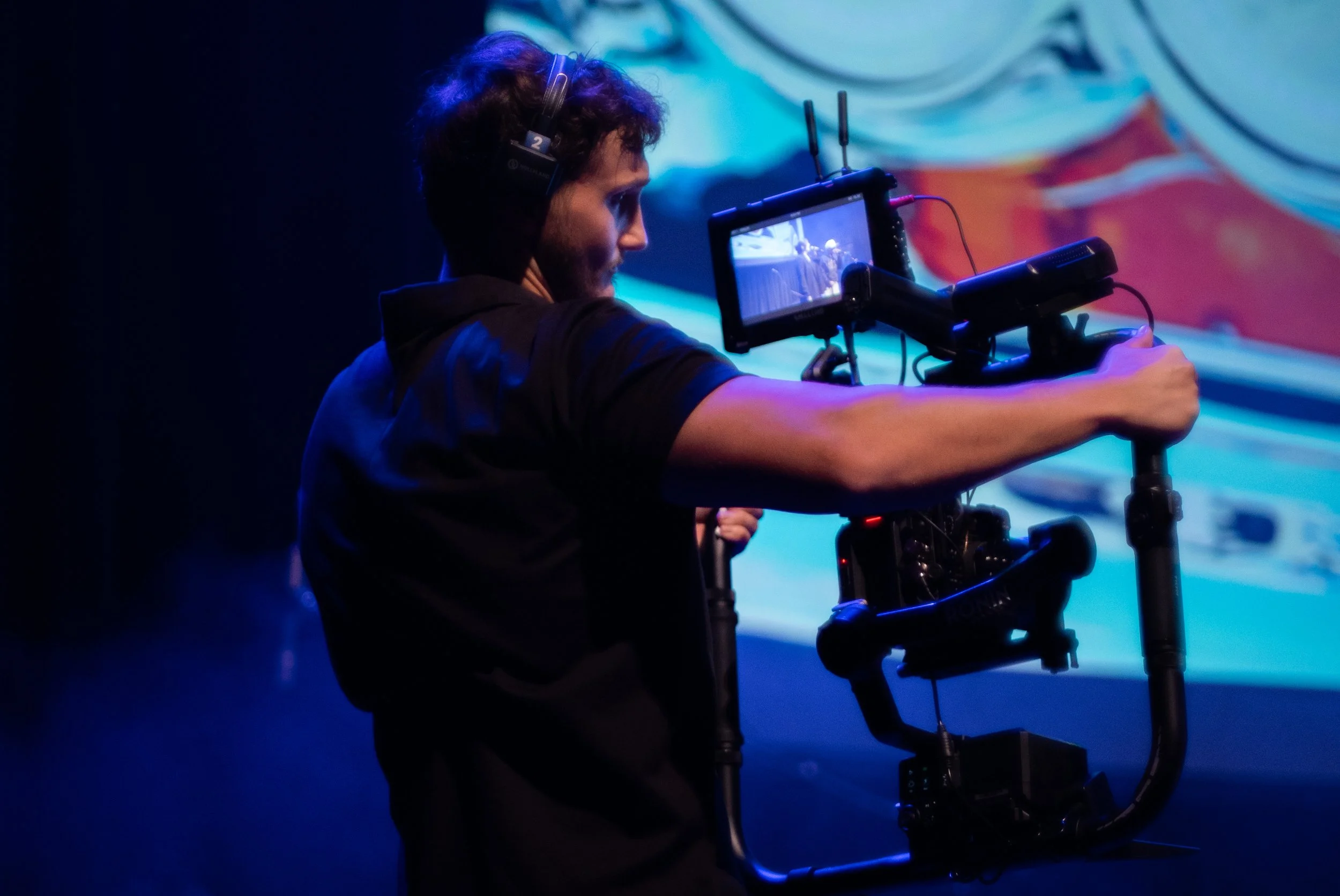
The Numbers Back This Up
This is not just a hunch. The data on how audiences respond to AI content is now clear, and it points one direction.
When AI-generated marketing content is visible to the audience, only 7% of consumers say it makes them trust a brand more, while 31% say it makes them trust the brand less (Klaviyo, December 2025). More than half, 52%, say they would stop buying from a brand after an inauthentic experience (Emplifi). And human-generated content was ranked the number-one thing consumers want from brands on social media in 2026, ahead of everything else (Sprout Social Index).
The performance data tells the same story. On LinkedIn, AI-assisted posts (human-led, AI-supported) increased engagement by 5%, while fully AI-generated posts saw a 2% decline. The takeaway is the exact line we draw: AI behind the scenes helps, AI replacing the human hurts.
Younger audiences are the sharpest signal of where this goes. Half of Gen Z have unfollowed, muted, or blocked accounts they believe are posting AI-generated content (Sprout Social, Q1 2026). If a photo looks too smooth or too perfect, they now assume it is fake.
The platforms are moving with them. In his end-of-2025 memo, Instagram head Adam Mosseri declared that "the polished, perfect aesthetic is dead" and said Instagram would spend 2026 prioritizing raw, real, human content over AI-generated material, weighting authenticity and provenance more heavily. When the biggest platform on earth says polish is no longer proof, that is the whole argument in one sentence.
Real is not just the safer choice anymore. It is the one the data, the audience, and the algorithm all reward.
Frequently Asked Questions
Can AI replace a video production company? No. AI can generate footage that looks produced, but it cannot be physically present to capture a real moment, earn a subject's trust, or exercise the judgment to know which moment matters. Real video production is valuable because of access, presence, and human judgment, none of which are solved by better AI models. AI is a useful tool for tasks like transcription and rough editing, but the capture of a genuine moment cannot be faked without losing what made it worth making.
Is AI-generated video bad for brands? AI-generated video is not inherently bad, but it is becoming less effective as audiences grow used to its look and assume more content is fake. As synthetic content floods every feed, real, human-captured content stands out more and builds more trust, because viewers can tell the difference between a captured moment and a manufactured one.
Why is authentic video content becoming more valuable? Authentic video is becoming more valuable because it is now rare. When polished footage can be generated on demand, polish stops being a signal of quality or truth. Content that could not have been faked, a real person in a real place, carries weight that generated content cannot, which is exactly what earns trust and drives action.
How does Ragtown Media use AI? Ragtown Media uses AI to support production behind the scenes, including transcription, footage organization, rough assembly, and research, so human hours go toward the parts that matter. The actual capture of real moments is always done by a real crew, on location, because that is the part that cannot be faked.
Closing
AI is not going away, and it should not. But it has quietly answered the question every brand is asking. In a world where anything can be generated, the only content that stands out is the content that is real. That is what we make, and it is worth more now than it was before the flood.
See the work at www.RagtownMedia.com, or start a project to talk through the story worth capturing.